
In today’s digital landscape, businesses face unprecedented pressure to deliver faster, more reliable, and highly secure IT environments. Traditional infrastructures are straining under the weight of ever-growing data volumes, rapidly shifting user expectations, and heightened cyberthreats. As organizations seek agility and resilience, they are turning to next-gen IT solutions that combine cutting-edge innovations such as artificial intelligence, edge computing, zero-trust security, and automation.
Currently, enterprises recognize that piecemeal upgrades no longer suffice; instead, a holistic approach to architecture transformation is essential. This year (2026), IT leaders prioritize cohesive strategies that integrate advanced analytics with robust security controls, fostering an ecosystem where applications, data, and devices interact seamlessly. Whether accelerating digital transformation initiatives or enhancing customer experiences, next-gen IT solutions serve as the backbone for sustainable growth. In this guide, we explore the core pillars of this paradigm shift, outline best practices, and provide actionable recommendations to help organizations architect future-ready infrastructures.
Integrating Artificial Intelligence and Machine Learning
Artificial intelligence (AI) and machine learning (ML) have emerged as cornerstones of next-gen IT solutions by automating complex tasks, deriving predictive insights, and optimizing resource utilization. Today, savvy IT teams deploy ML models that analyze terabytes of operational data in real time, uncovering patterns that manual processes would overlook. These advanced capabilities enable more accurate fault detection, dynamic workload balancing, and intelligent service provisioning.
Key applications include:
- Predictive Maintenance: ML-driven anomaly detection scans logs and performance metrics to forecast hardware failures, triggering preemptive interventions that minimize downtime and maintenance costs.
- Intelligent Workflow Automation: AI-powered orchestration pipelines handle routine tasks—such as patch management, capacity planning, and service provisioning—freeing staff to focus on strategic initiatives.
- Enhanced Security Analytics: Behavioral models examine network flows and user activities, rapidly pinpointing suspicious deviations and supporting adaptive threat responses.
To realize these benefits, organizations should establish a centralized data repository that consolidates logs, telemetry, and configuration records. Investing in GPU-accelerated clusters or cloud-based AI platforms ensures scalable model training and inference. Building cross-functional teams that marry domain experts with data scientists fosters well-rounded solutions. Additionally, adopting robust MLOps practices—version control for datasets and models, continuous integration/continuous deployment (CI/CD) of ML pipelines, and end-to-end testing—drives reliability and reproducibility. For further guidance on AI research and best practices, explore resources at Microsoft Research.
Maximizing Cloud and Edge Synergy
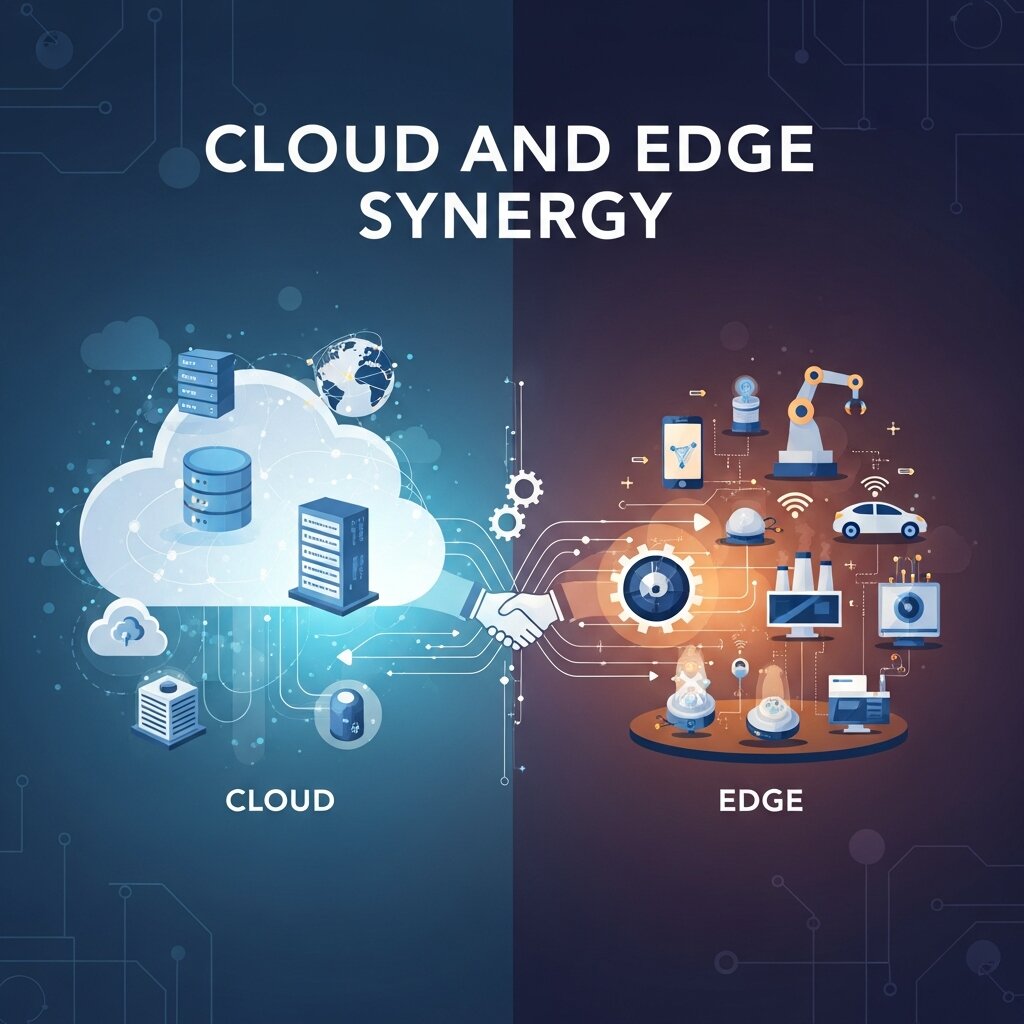 Cloud computing has revolutionized IT by offering elastic scalability and pay-as-you-go economics. However, the surge of Internet of Things (IoT) devices and latency-sensitive applications demands a hybrid approach that extends processing to the network edge. Combining centralized cloud services with localized edge nodes forms the cornerstone of next-gen IT solutions, delivering the following advantages:
- Lower Latency: By processing critical data—such as video streams or industrial sensor feeds—at edge locations, organizations achieve near-instantaneous responses crucial for autonomous vehicles, telemedicine, and financial trading.
- Optimized Bandwidth: Preliminary filtering and aggregation at edge gateways reduce the volume of data sent to core data centers, curbing transmission costs and preventing network congestion.
- Resilience and Continuity: Distributed workloads across edge clusters maintain core functions even when connectivity to central cloud regions is intermittent or degraded.
Implementing a cohesive cloud-edge fabric calls for containerization platforms—such as Kubernetes coupled with edge-optimized distributions—that simplify deployment across heterogeneous hardware. Service meshes and API gateways enforce secure, reliable communication between microservices scattered between cloud data centers and edge nodes. Furthermore, unified monitoring of both realms enables centralized policy management and dynamic scaling based on real-time demand. To dive deeper into edge computing architectures, consult IBM’s comprehensive overview.
Embracing Zero-Trust Security Frameworks
Perimeter-centric defenses no longer suffice in an era where cyberthreats evolve daily and remote access is the norm. Zero-trust security—another pillar of next-gen IT solutions—mandates that every user, device, and application must prove its identity and integrity before accessing resources. Core tenets include:
- Least Privilege Access: Users and services receive only the minimal rights necessary, drastically shrinking attack surfaces and reducing the fallout from compromised credentials.
- Microsegmentation: Workloads are isolated into granular zones, each governed by tailored security policies that prevent lateral movement if a breach occurs.
- Continuous Verification: Identity and behavior analytics constantly reassess risk, combining multi-factor authentication (MFA), device posture checks, and encrypted communications to adapt access in real time.
Embarking on a zero-trust journey starts with a detailed asset inventory and an overhaul of identity management systems. Organizations should integrate endpoint detection and response (EDR) tools with security information and event management (SIEM) platforms to unify visibility across cloud and on-premises assets. Adopting adaptive access policies based on risk scoring enables dynamic adjustments—for example, requiring step-up authentication if anomalies are detected. For authoritative guidelines on zero-trust architectures, refer to the National Institute of Standards and Technology (NIST) resources.
Accelerating Development with Low-Code and No-Code Platforms
 As digital transformation accelerates, demand for custom applications often outstrips the available developer workforce. Low-code and no-code platforms address this gap by offering visual interfaces, prebuilt connectors, and AI-assisted code suggestions. These solutions empower citizen developers and professional teams alike to deliver business-critical apps in days rather than months, reinforcing the foundation of next-gen IT solutions.
Key benefits include:
- Rapid Prototyping: Drag-and-drop builders and template libraries enable quick creation of forms, workflows, and dashboards, reducing time to market and user feedback loops.
- Cost Efficiency: Reusable modules and standardized logic cut development and maintenance expenses, while minimizing the need for specialized coding skills.
- Enhanced Collaboration: Business stakeholders can co-design features alongside IT teams, ensuring solutions are aligned with operational objectives from inception.
Governance is critical to prevent shadow IT and maintain security standards. Establishing a center of excellence (CoE) provides oversight on platform selection, best practices, and compliance requirements. Clear policies around data access, integration with enterprise APIs, and change management protocols safeguard performance and security. Training programs and community forums foster a culture of innovation while ensuring consistent methodology across projects. By embedding governance into low-code initiatives, organizations can accelerate digital delivery without compromising control.
Streamlining Operations with Automation and Orchestration
Automation and orchestration form the operational spine of next-gen IT solutions, enabling organizations to eliminate manual toil, enforce consistency, and accelerate service delivery. Infrastructure as Code (IaC) tools—such as Terraform or AWS CloudFormation—allow teams to define cloud resources declaratively, version them alongside application code, and reproduce environments reliably. Configuration management platforms like Ansible, Puppet, or Chef automatically apply system settings, patch baselines, and security controls at scale.
Key components include:
- CI/CD Pipelines: Integrated workflows perform unit tests, security scans, and performance validations before deploying updates to staging or production environments, reducing risk and shortening release cycles.
- Policy-as-Code: Embedding governance rules into automated checks ensures compliance with regulatory frameworks and internal standards, with violations halted before they reach live systems.
- Self-Healing Infrastructure: Automated remediation scripts detect drift or failures—such as service crashes or configuration mismatches—and restore desired states without human intervention.
By codifying processes and integrating them into a unified automation pipeline, organizations benefit from consistent audits, rapid recovery, and streamlined governance. ChatOps integrations—linking platforms like Slack or Microsoft Teams with operational runbooks—expedite incident response by providing contextual alerts and one-click remediation steps. Together, these practices underpin a resilient, agile IT environment that supports rapid innovation and maintains high service levels.
Intelligent Observability and Real-Time Monitoring
Modern IT environments generate massive streams of telemetry data from applications, networks, and infrastructure components. Intelligent observability leverages AI-powered analytics to transform this raw data into actionable insights, enabling teams to detect anomalies, predict failures, and optimize system performance proactively. Unlike traditional monitoring, which reacts to predefined thresholds, observability focuses on understanding system behavior holistically across logs, metrics, and traces. This approach allows IT teams to pinpoint root causes faster, reduce mean time to resolution (MTTR), and maintain higher service reliability. Real-time dashboards and automated alerting systems ensure that issues are identified before they escalate into critical outages. As digital ecosystems become more distributed and complex, observability becomes essential for maintaining operational visibility, ensuring application performance, and supporting continuous delivery pipelines across cloud-native and hybrid environments.
Autonomous Infrastructure Management
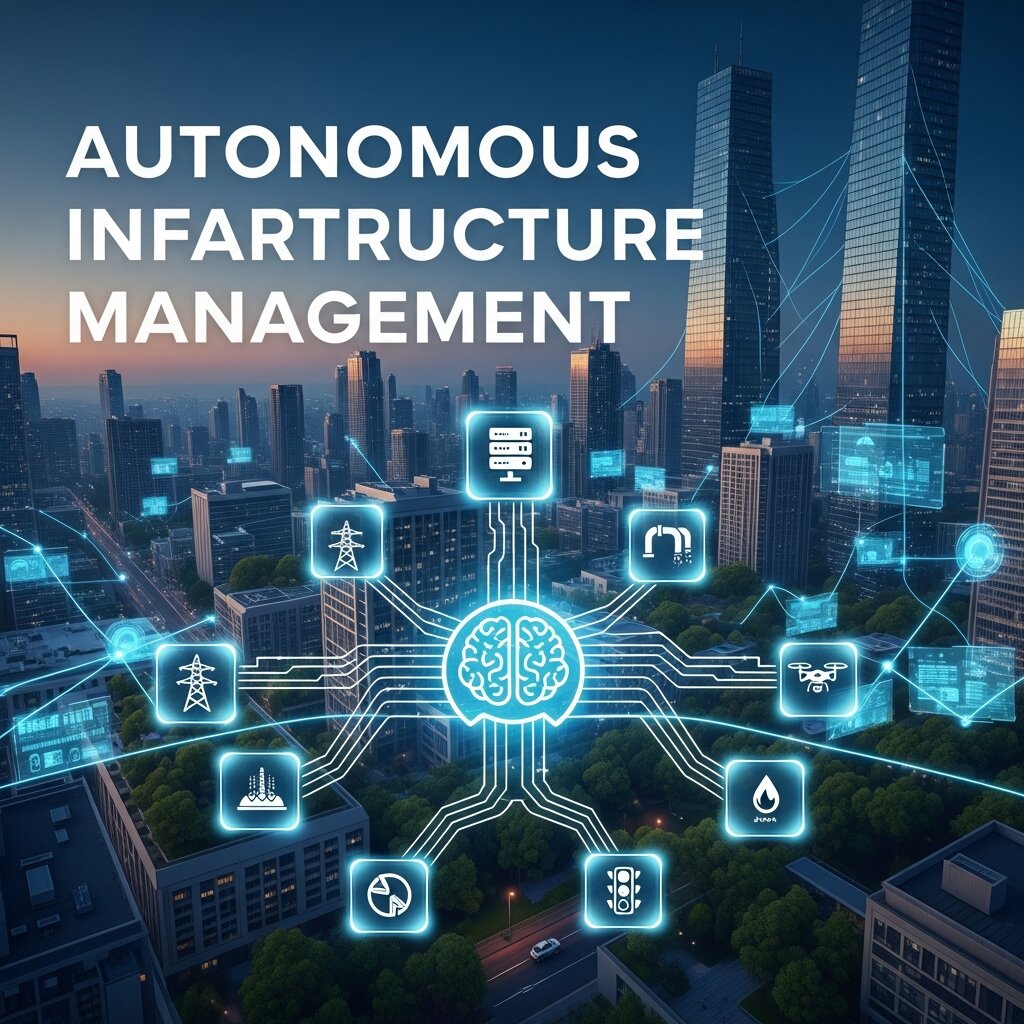 Autonomous infrastructure management uses AI and automation to dynamically configure, optimize, and heal IT systems without manual intervention. By analyzing usage patterns, workload demands, and system health metrics, these platforms can automatically scale resources, balance traffic, and apply configuration changes in real time. This reduces operational overhead and minimizes human error, while ensuring optimal performance and cost efficiency. In modern environments, autonomous systems integrate with orchestration tools to manage containers, virtual machines, and serverless functions seamlessly. They also support predictive scaling, where resources are provisioned before demand spikes occur. This shift allows IT teams to move from reactive maintenance to strategic innovation, focusing on architecture and business value rather than repetitive operational tasks.
Edge-Native Application Optimization
Edge-native application optimization focuses on designing and deploying applications specifically for distributed edge environments where latency, bandwidth, and reliability requirements differ from centralized cloud systems. These applications process data closer to the source, enabling faster response times and improved user experiences, especially for IoT, AR/VR, and real-time analytics use cases. Optimization strategies include lightweight containerization, data caching at edge nodes, and adaptive workload distribution between cloud and edge layers. Developers must also consider intermittent connectivity and ensure applications can operate in offline or degraded modes. By tailoring software architecture to edge constraints, organizations can significantly reduce latency, improve resilience, and enhance scalability. This approach is becoming increasingly important as edge computing continues to expand across industries like manufacturing, healthcare, and smart cities.
AI-Enhanced Cyber Resilience
AI-enhanced cyber resilience strengthens organizational security by using machine learning models to detect, respond to, and recover from cyber threats in real time. These systems continuously analyze behavioral patterns across users, devices, and networks to identify anomalies that may indicate malicious activity. Unlike traditional security tools, AI-driven platforms adapt dynamically to evolving threat landscapes, reducing detection time and improving response accuracy. Automated incident response workflows can isolate compromised systems, block suspicious traffic, and initiate recovery procedures without human intervention. Additionally, predictive threat intelligence helps organizations anticipate potential vulnerabilities before they are exploited. This proactive security posture ensures business continuity, minimizes downtime, and significantly reduces the impact of cyberattacks in complex digital environments.
Unified Digital Experience Platforms
Unified digital experience platforms integrate multiple IT systems, applications, and data sources into a single cohesive ecosystem to deliver seamless user interactions. These platforms combine analytics, content management, personalization engines, and automation tools to create consistent experiences across web, mobile, and enterprise applications. By centralizing user data, organizations gain a 360-degree view of customer behavior, enabling more targeted engagement strategies. Integration with AI systems further enhances personalization by adapting interfaces and content in real time based on user preferences and context. This unified approach eliminates data silos, improves operational efficiency, and ensures consistent branding across all digital touchpoints. As customer expectations continue to rise, these platforms play a crucial role in delivering scalable, intelligent, and user-centric digital experiences. Reducing digital carbon footprint focuses on minimizing the environmental impact of IT systems by optimizing energy usage across data centers, cloud infrastructure, and application workloads.
Frequently Asked Questions
What are the core pillars of next-gen IT solutions?
The core pillars include AI/ML-driven intelligence, hybrid cloud-edge architectures, zero-trust security frameworks, low-code/no-code development platforms, and comprehensive automation and orchestration strategies.
How does zero-trust security differ from traditional perimeter-based defenses?
Zero-trust security operates on the principle of verifying every access request, enforcing least privilege and microsegmentation, and continuously monitoring user and device behavior—whereas traditional security relies on defined network perimeters and broad trust once inside.
Can organizations adopt low-code platforms without compromising governance?
Yes. Establishing a center of excellence (CoE), enforcing clear policies on data access and integration, and implementing oversight mechanisms ensures that low-code initiatives remain secure, compliant, and aligned with enterprise standards.
Conclusion
Next-gen IT solutions are redefining how organizations architect, secure, and manage their digital foundations. By combining AI/ML-driven intelligence, a hybrid cloud-edge model, stringent zero-trust principles, low-code development, and comprehensive automation, businesses can accelerate innovation, strengthen security, and optimize operational expenses. In today’s dynamic landscape, only those that embrace these integrated strategies will maintain a competitive edge.
To embark on this transformation, assess your current infrastructure, identify priority use cases, and develop a roadmap that aligns technology investments with business goals. Collaborate with experienced partners who can guide the deployment of next-gen IT solutions and establish governance frameworks. By taking these steps, your organization will build a flexible, resilient, and future-ready environment capable of evolving with emerging demands in 2026 and beyond.