
In today’s digital landscape, businesses face relentless pressure to keep pace with rapid technological advances and shifting customer expectations. Currently, adapting to emerging trends while safeguarding systems against interruptions is no longer an option but a necessity. As downtime incidents and security breaches threaten revenue streams and reputation, organizations must embrace proactive IT solutions to maintain a competitive edge.
This comprehensive guide explores how leveraging proactive IT solutions can transform a reactive maintenance approach into a strategic advantage. We will examine the foundational principles required to build resilient environments, showcase how automation and intelligent analytics enable preventive maintenance, and discuss best practices for security-first design. Additionally, we’ll delve into cloud architecture patterns that support scalability, as well as cultural shifts essential for sustaining continuous improvement. By the end of this article, you’ll have a clear roadmap for future-proofing your organization through IT strategies that anticipate change, minimize risk, and scale alongside your growth ambitions.
With the stakes higher than ever, relying on traditional break-fix models leaves businesses vulnerable to prolonged outages and escalating operational costs. Moving beyond ad-hoc responses, adopting structured methods such as predictive monitoring, threat intelligence integration, and infrastructure as code can dramatically reduce service disruptions and accelerate innovation cycles. Throughout this guide, we will reference best practices from reputable institutions like NIST and federal guidelines available at CISA to ensure alignment with industry standards. Let’s explore how proactive IT solutions can become the cornerstone of a robust, agile, and future-ready technology ecosystem.
Understanding the Critical Need for Forward-Looking IT Infrastructure
Evolving Business Demands and Technological Pace
Today’s organizations operate in an environment where digital services must be available instantly, securely, and without interruption. Customers expect uninterrupted access to applications, personalized interactions, and rapid response times. Meanwhile, the speed at which emerging technologies—such as edge computing, 5G networking, and real-time analytics—are adopted introduces both opportunities and complexity. In this context, maintaining agility and reliability becomes essential, and relying solely on manual checkpoints is no longer feasible.
Drawbacks of Reactive IT Models
Traditional break-fix approaches to IT management focus on resolving failures only after they occur. This model introduces several challenges: unplanned downtime, escalated maintenance costs, and eroded customer trust. When systems fail unexpectedly, IT teams scramble to diagnose issues, often under intense pressure, leading to longer recovery times and potential data loss. Moreover, reactive maintenance diverts valuable resources that could otherwise support innovation and strategic initiatives.
The Strategic Edge of Proactive Solutions
Adopting proactive IT solutions means shifting from a posture of response to one of anticipation. By continuously monitoring infrastructure health, predicting emerging faults, and automating routine tasks, businesses can reduce the frequency and severity of incidents. This strategic stance transforms IT from a cost center into a growth enabler. When teams have the foresight to address capacity constraints before they impact performance, organizations can sustain high availability, optimize resource allocation, and enhance user satisfaction.
Aligning IT with Business Objectives
Achieving true future-proofing requires close alignment between IT operations and overall business goals. Decision-makers should define clear service-level objectives and key performance indicators (KPIs) that reflect both technical health and customer experience. Examples include mean time between failures (MTBF), mean time to repair (MTTR), and system availability percentages. Regularly tracking these metrics ensures that proactive measures directly support revenue targets, regulatory compliance, and brand reputation.
Embracing a Culture of Continuous Improvement
Finally, integrating proactive IT solutions calls for a cultural shift toward continuous improvement. Teams should conduct regular post-incident reviews without assigning blame, identify systemic vulnerabilities, and refine processes with each cycle. Training programs, cross-functional collaboration, and leadership support are critical to embedding this mindset. In doing so, organizations build resilience and can adapt more effectively to the unpredictable challenges of the digital age.
Building the Foundation: Key Components of Proactive IT Solutions
Predictive Monitoring and Anomaly Detection
A robust proactive framework starts with continuous observation of key performance indicators across every layer of the stack. By implementing real-time metrics collection—such as CPU utilization, network latency, and application response times—IT teams can spot irregular trends before they crystallize into outages. Advanced anomaly detection models, powered by machine learning algorithms, can recognize subtle deviations in disk I/O patterns or memory consumption, triggering alerts that prompt immediate investigation. This level of insight helps organizations transition from reactive firefighting to systematic prevention.
Automation and Orchestration
Manual remediation slows down response times and increases the risk of human error. Automation and orchestration tools enable teams to codify routine procedures, including patch deployment, configuration management, and resource provisioning. Infrastructure as code (IaC) platforms like Terraform or AWS CloudFormation provide version-controlled templates that ensure consistent environments across development, staging, and production. Combined with orchestrators such as Kubernetes, automated workflows can scale compute clusters on demand, reorder tasks based on priorities, and execute rollback plans instantly if anomalies arise.
Security-First Architectural Principles
Embedding security at every stage of development and operations is a cornerstone of proactive IT. Adopting a zero-trust model ensures that no component or user is implicitly trusted by default, reducing attack surfaces. Regular vulnerability scanning, automated patch management, and continuous threat intelligence feeds form a multi-layered defense strategy. Organizations can rely on guidelines from NIST to align controls with best practices and perform routine compliance assessments that preempt regulatory penalties.
Commitment to Continuous Improvement
No proactive IT solutions strategy is complete without a formal feedback loop. Blameless postmortems, sprint-based retrospectives, and knowledge-sharing sessions nurture a culture focused on learning and innovation. Teams should track KPIs such as mean time to detect (MTTD), mean time to acknowledge (MTTA), and service availability ratios to measure the impact of improvements. Regular policy reviews and training workshops ensure that processes evolve alongside emerging threats and architectural patterns.
Bringing It All Together
These foundational components—predictive monitoring, automation, security-first design, and continuous refinement—work in concert to deliver a resilient, efficient, and secure IT environment. By prioritizing each pillar, organizations can confidently deploy applications, support remote workforces, and meet customer demands without compromising performance or safety.
Harnessing Automation and Intelligent Analytics for Preventive Maintenance
Role of Machine Learning in Predictive Maintenance
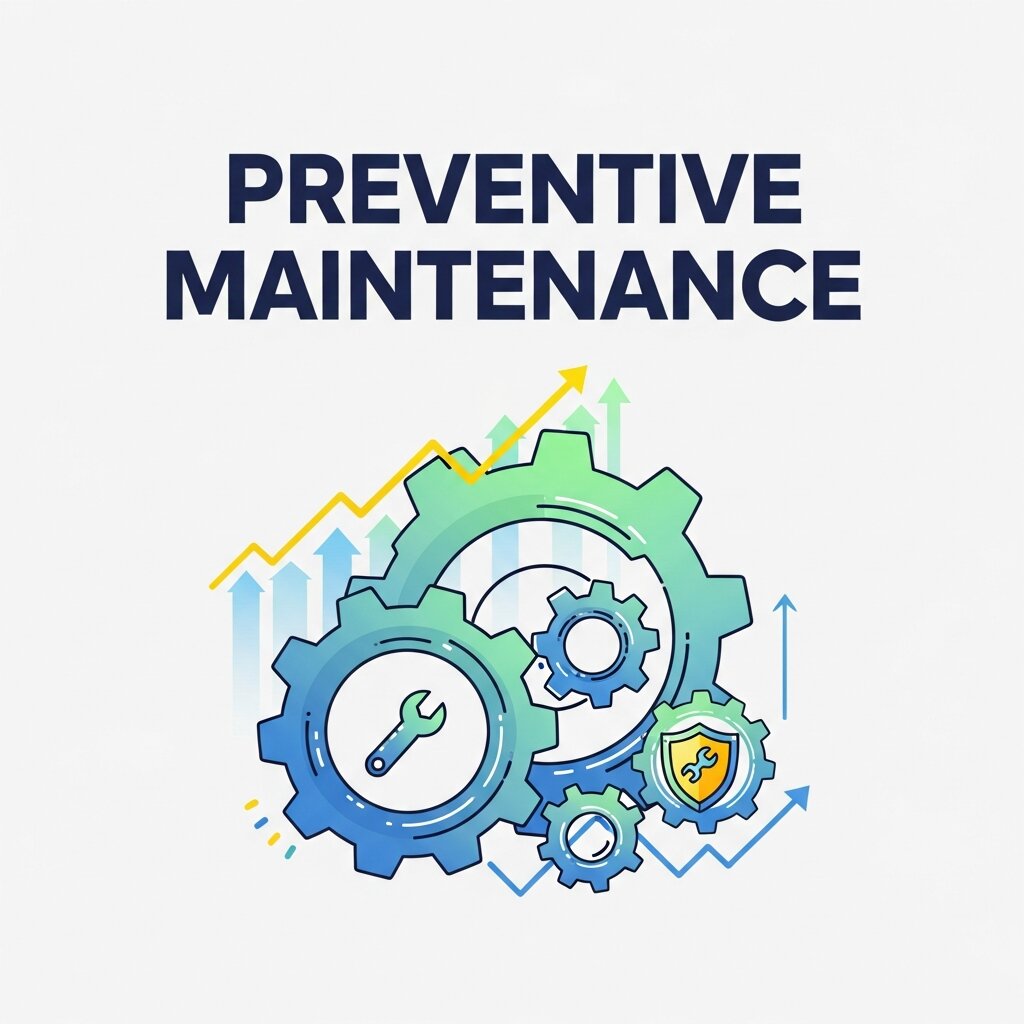
The heart of preventive maintenance lies in the ability to forecast potential failures before they impact operations. Machine learning models trained on historical log data, system metrics, and incident records can detect patterns that human operators might miss. For instance, subtle correlations between temperature fluctuations in server racks and hardware failures can be identified through supervised learning algorithms. By integrating these insights into an analytics platform, IT teams receive early warnings of potential issues, granting ample time to enact remediation strategies.
Implementing Self-Healing Systems
Combining predictive analytics with automation scripts allows for the creation of self-healing infrastructures. When an anomaly threshold is breached—like an unexpected drop in I/O throughput—an automated workflow can initiate predefined corrective steps. Actions might include restarting affected services, reallocating resources, or spinning up redundant instances in a cloud cluster. By orchestrating these tasks via tools such as Kubernetes operators or serverless functions, organizations minimize human intervention and reduce the mean time to recovery.
Integrating Automated Workflows
Automation extends beyond reactive fixes, encompassing routine maintenance tasks such as security patching, compliance scans, and performance tuning. Scheduling these workflows during low-traffic windows ensures minimal disruption to end users. Integration platforms can coordinate dependencies across multiple tools—like continuous integration pipelines, monitoring systems, and ticketing solutions—to streamline operations. With well-defined dashboards and alerting channels, teams maintain visibility into the status of automated jobs and can intervene manually if necessary.
Measuring Operational Efficiency
To optimize preventive maintenance efforts, organizations should track metrics such as the number of automated fixes executed, the reduction in unplanned downtime, and the resource consumption before and after process adjustments. Combining quantitative data with qualitative feedback from stakeholders helps refine ML models and automation scripts over time. By closing the loop between analytics, automated action, and performance measurement, businesses can continuously enhance the reliability and scalability of their infrastructure.
Best Practices for Implementation
Successful deployment of proactive IT solutions requires careful planning. Begin with small-scale pilots that target high-impact systems, validate model accuracy, and verify automation safety. Document rollbacks and ensure that manual override options are always available. Collaborate with cross-functional teams to establish clear ownership of automated workflows and align on acceptable risk thresholds. As confidence grows, expand the scope of automation to cover additional services, ensuring that every new enhancement is tested in a sandbox before hitting production. Over time, this iterative approach builds a robust preventive maintenance ecosystem that scales with organizational growth.
Embedding Security in Every Layer with a Proactive Mindset
Adopting a Defense-in-Depth Strategy
Proactive IT solutions prioritize security at the architectural level, ensuring multiple protective layers guard critical assets. Next-generation firewalls with integrated intrusion prevention systems (IPS) filter malicious traffic, while microsegmentation isolates sensitive workloads to prevent lateral movement by threat actors. Endpoint Detection and Response (EDR) tools monitor device behavior in real time, flagging anomalous activities such as unauthorized process launches or abnormal file system modifications. By combining these controls, organizations strengthen perimeter defenses without compromising performance.
Continuous Threat Hunting and Intelligence
Threat landscapes evolve rapidly, making static prevention tactics insufficient. Security teams should engage in continuous threat hunting, proactively searching for indicators of compromise across logs, network flows, and user activity. Integrating feeds from reputable sources—such as the Cybersecurity and Infrastructure Security Agency (CISA)—enriches threat intelligence, enabling faster identification of emerging tactics, techniques, and procedures (TTPs). Collaborative platforms that aggregate threat data and automate enrichment reduce the time between detection and response.
Automated Incident Response and Remediation
Manual incident response processes can be overwhelmed during complex attacks. Automation frameworks enable rapid containment by executing playbooks that quarantine affected endpoints, disable compromised credentials, or reconfigure firewall rules. Security Orchestration, Automation, and Response (SOAR) platforms integrate with Security Information and Event Management (SIEM) tools to correlate alerts and trigger appropriate actions. With a well-defined set of runbooks, organizations accelerate incident resolution and minimize business impact.
Ensuring Compliance and Governance
Regulatory requirements—such as GDPR, HIPAA, or PCI DSS—mandate strict controls around data handling and reporting. Proactive security solutions incorporate continuous compliance checks, automated audit trails, and policy-as-code frameworks to enforce standards consistently across environments. Utilizing Infrastructure as Code (IaC) with embedded compliance rules guarantees that every deployment adheres to organizational policies. Regular internal audits and red-team exercises validate the effectiveness of controls and help identify areas for improvement.
Cultivating a Security-Aware Culture
Technology alone cannot thwart every threat. Empowering employees through ongoing security awareness training, simulated phishing exercises, and clear communication channels fosters vigilance across the enterprise. When staff understand the role they play in protecting assets, they contribute to the broader proactive IT solutions strategy by reporting suspicious activities and adhering to best practices. In today’s digital landscape, a collaborative security culture is as vital as any technical control.
Designing Scalable, Resilient Cloud Architectures
Embracing Microservices and Containerization
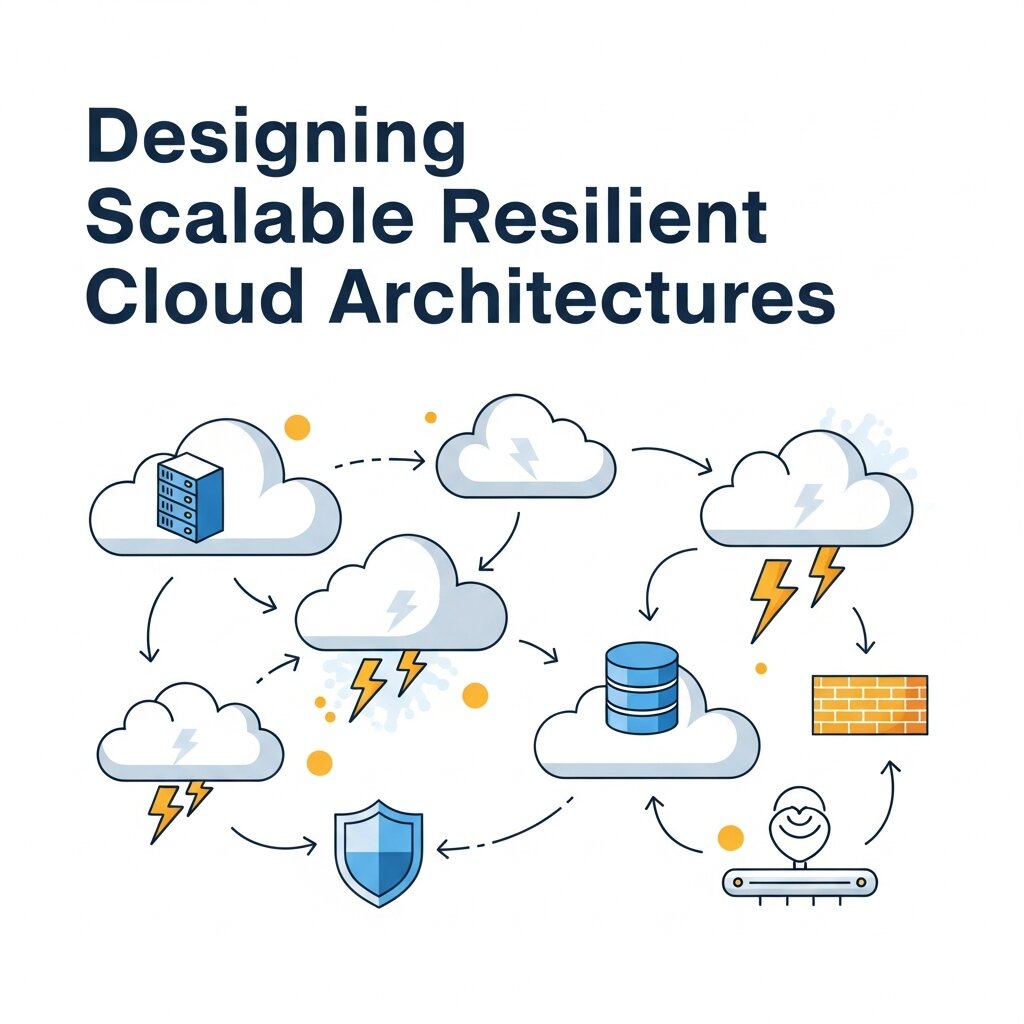
Breaking monolithic applications into microservices enhances flexibility and accelerates deployment cycles. Containers provide lightweight isolation, portability, and rapid startup times, making them ideal for dynamic scaling. Container orchestration platforms like Kubernetes manage service discovery, load balancing, and self-healing capabilities by automatically restarting failed containers. Organizations can leverage container registries and image scanning tools to ensure that each component adheres to security standards before deployment.
Leveraging Serverless Computing for Event-Driven Workloads
Serverless architectures abstract away infrastructure management, allowing teams to focus on application logic. Functions-as-a-Service (FaaS) platforms automatically allocate resources in response to events—such as API calls, database updates, or message queue triggers—ensuring zero idle capacity. This consumption-based model eliminates overprovisioning and reduces operational overhead. Automated scaling policies adjust concurrency limits in real time, maintaining performance during traffic spikes without manual intervention.
Implementing Hybrid and Multi-Cloud Strategies
Relying on a single cloud provider can expose organizations to vendor lock-in and regional outages. A hybrid approach combines on-premises infrastructure with public cloud services, delivering low-latency connectivity for legacy systems and bursting capacity for unpredictable workloads. Multi-cloud designs distribute resources across multiple providers, optimizing cost, performance, and compliance. Unified management layers, such as service mesh architectures and centralized logging systems, provide visibility and consistency regardless of the underlying platform.
Automating Deployments with Infrastructure as Code
Infrastructure as Code (IaC) frameworks codify environment configurations using declarative templates or scripts. Tools like Terraform, AWS CloudFormation, and Azure Resource Manager ensure that deployments are reproducible, version-controlled, and auditable. Automated pipelines validate templates against security policies and best practices before provisioning resources. Combined with policy-as-code engines, IaC minimizes configuration drift and accelerates rollback procedures should issues arise, enabling businesses to maintain high availability and rapid innovation.
Planning for High Availability and Disaster Recovery
A comprehensive cloud strategy incorporates geographical redundancy, data replication, and failover mechanisms. Designing workloads across multiple availability zones or regions protects against localized failures. Automated backup schedules, cross-region snapshots, and recovery drills verify that data integrity is preserved. Incorporating chaos engineering techniques—such as simulated outages—provides insight into system behavior under stress, allowing teams to fine-tune recovery procedures and ensure business continuity in the face of unexpected disruptions.
FAQ
What are proactive IT solutions?
Proactive IT solutions encompass strategies and tools designed to anticipate and prevent system failures, security breaches, and performance bottlenecks before they occur. This includes predictive monitoring, automation, and continuous security assessments to maintain high availability and reduce downtime.
How can businesses start implementing predictive monitoring?
Begin by instrumenting critical systems with metrics collection and log aggregation. Use anomaly detection tools or machine learning platforms to identify patterns and set alert thresholds. Pilot on key workloads, refine models based on initial findings, and gradually expand coverage across the infrastructure.
What role does automation play in IT reliability?
Automation codifies routine tasks—such as patching, scaling, and incident remediation—into repeatable workflows that run without manual intervention. This reduces human error, accelerates response times, and ensures consistent operations across environments, significantly improving overall reliability.
How do proactive IT practices improve security posture?
By integrating continuous vulnerability scanning, automated patch management, and threat intelligence feeds, organizations can detect and remediate risks before they’re exploited. Automated incident response playbooks and zero-trust principles further ensure that security controls adapt swiftly to evolving threats.
Conclusion
As technology evolves at an unprecedented pace, embracing proactive IT solutions has become essential for organizations that aim to thrive in today’s competitive marketplace. By shifting from reactive break-fix models to a strategy centered on predictive monitoring, automated remediation, and security-first design, businesses can safeguard system availability, optimize operational costs, and deliver exceptional user experiences. A forward-looking IT infrastructure—supported by data-driven decision-making and continuous improvement—empowers teams to anticipate challenges, adapt swiftly to new requirements, and maintain compliance with industry regulations.
Read more about this topic: Modern IT Solutions: Your Ultimate Business Guide