The technology landscape shifts dramatically with every passing year. As we approach 2026, companies face mounting pressure to modernize their operations, secure their data, and empower remote or hybrid workforces. Relying on outdated hardware and disjointed software is no longer a viable strategy for growth. Leaders must actively seek out the most effective tools and strategies to stay competitive.
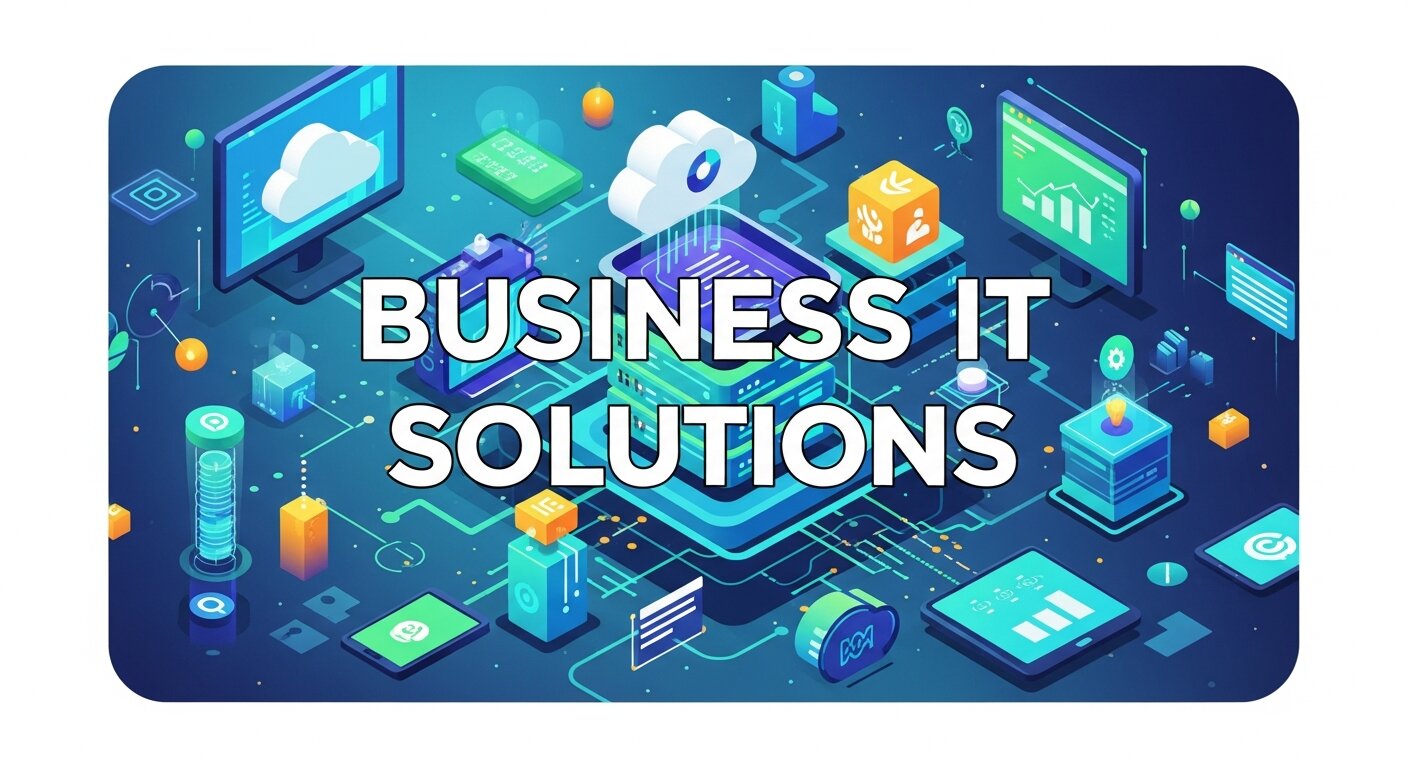
Finding the best business it solution requires a careful evaluation of your current bottlenecks and future goals. A growing startup will have vastly different needs than a legacy manufacturing firm. Some organizations require a complete overhaul of their hardware, while others simply need a more reliable way to manage their cloud data. Understanding the distinct categories of available technology helps narrow down the choices.
This guide explores the primary categories of technology upgrades organizations are prioritizing for 2026. By examining everything from infrastructure upgrades to advanced automation, you will gain a clearer picture of how to allocate your technology budget. We will look closely at specific applications across different industries and company sizes, helping you build a roadmap for your own digital transformation.
Best IT Solutions for Small Business
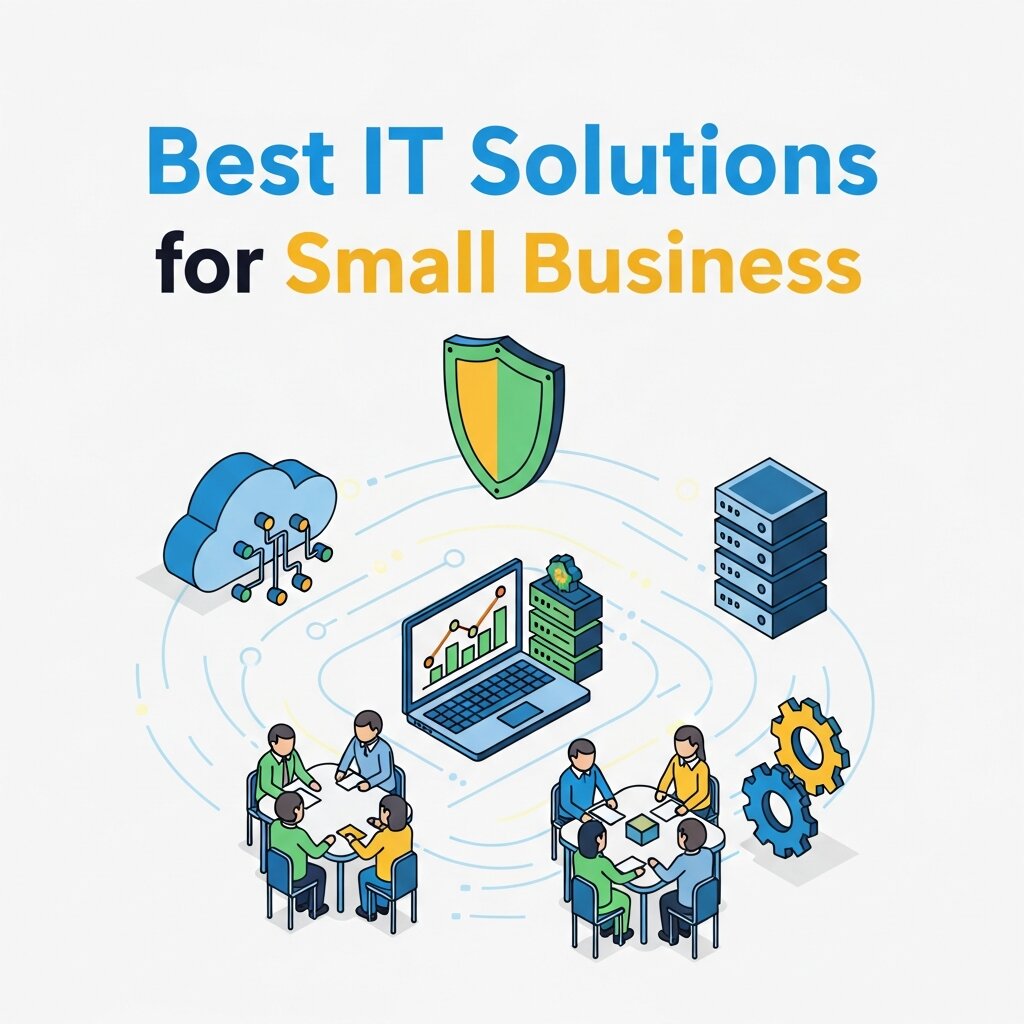 Small businesses operate with distinct resource constraints. They rarely have the luxury of large internal technology departments or massive software budgets. Because of this, the best it solutions for small business focus heavily on scalability and affordability. Cloud-based productivity suites, lightweight customer relationship management software, and affordable cybersecurity packages top the list of necessities.
These organizations need tools that grow alongside them. Subscription-based software models allow a small team to access enterprise-grade applications without the high upfront costs. Additionally, prioritizing user-friendly interfaces ensures that employees can adopt new systems quickly without requiring extensive training sessions.
When smaller companies invest in the right foundational technology early on, they avoid the growing pains associated with migrating data later. A reliable network, secure cloud storage, and an integrated communication platform create a solid base for future expansion.
Managed IT Solutions
Many organizations struggle to keep up with daily technical support requests while simultaneously planning long-term digital strategies. Managed it solutions bridge this gap by outsourcing routine maintenance, helpdesk support, and system monitoring to a third-party provider. This approach frees up internal staff to focus on revenue-generating projects rather than resetting passwords or patching servers.
A key benefit of the managed model is proactive maintenance. Instead of waiting for a server to crash or a security breach to occur, managed service providers continuously monitor systems for anomalies. They apply updates, back up data, and patch vulnerabilities behind the scenes. This constant vigilance drastically reduces downtime and keeps operations running smoothly.
Furthermore, these services offer predictable monthly billing. Companies can budget for technology expenses accurately, knowing that their core systems are monitored and protected by dedicated professionals around the clock.
IT Cloud Solutions
 Data storage and software hosting have moved firmly away from local servers. IT cloud solutions offer unparalleled flexibility, allowing teams to access company resources securely from any location. As remote work continues to define the corporate landscape, robust cloud architecture is an absolute requirement for modern business.
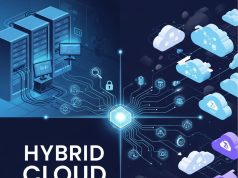
Organizations are increasingly adopting hybrid and multi-cloud environments. This means they distribute their data across several platforms to optimize performance and reduce the risk of outages. For instance, a company might use one cloud provider for general file storage and another specialized platform for heavy data analytics.
Migrating to the cloud also improves disaster recovery capabilities. With data stored securely off-site and backed up automatically, businesses can recover quickly from hardware failures or local emergencies, ensuring continuity when it matters most.
IT Solutions for Manufacturing
The industrial sector relies heavily on precision, timing, and equipment reliability. IT solutions for manufacturing are transforming factory floors through the integration of connected devices and real-time data analytics. Sensors placed on machinery can monitor performance and temperature, sending alerts before a mechanical failure actually happens.
This predictive maintenance extends the lifespan of expensive equipment and prevents costly production halts. Additionally, technology plays a vital role in supply chain optimization. Modern inventory management systems track raw materials from the moment they leave a supplier to the time they reach the assembly line, providing complete visibility.
By connecting the digital office with the physical production floor, manufacturers can analyze production rates, identify inefficiencies, and adjust their workflows instantly. This level of insight drives higher yields and reduces material waste.
IT Infrastructure Solutions
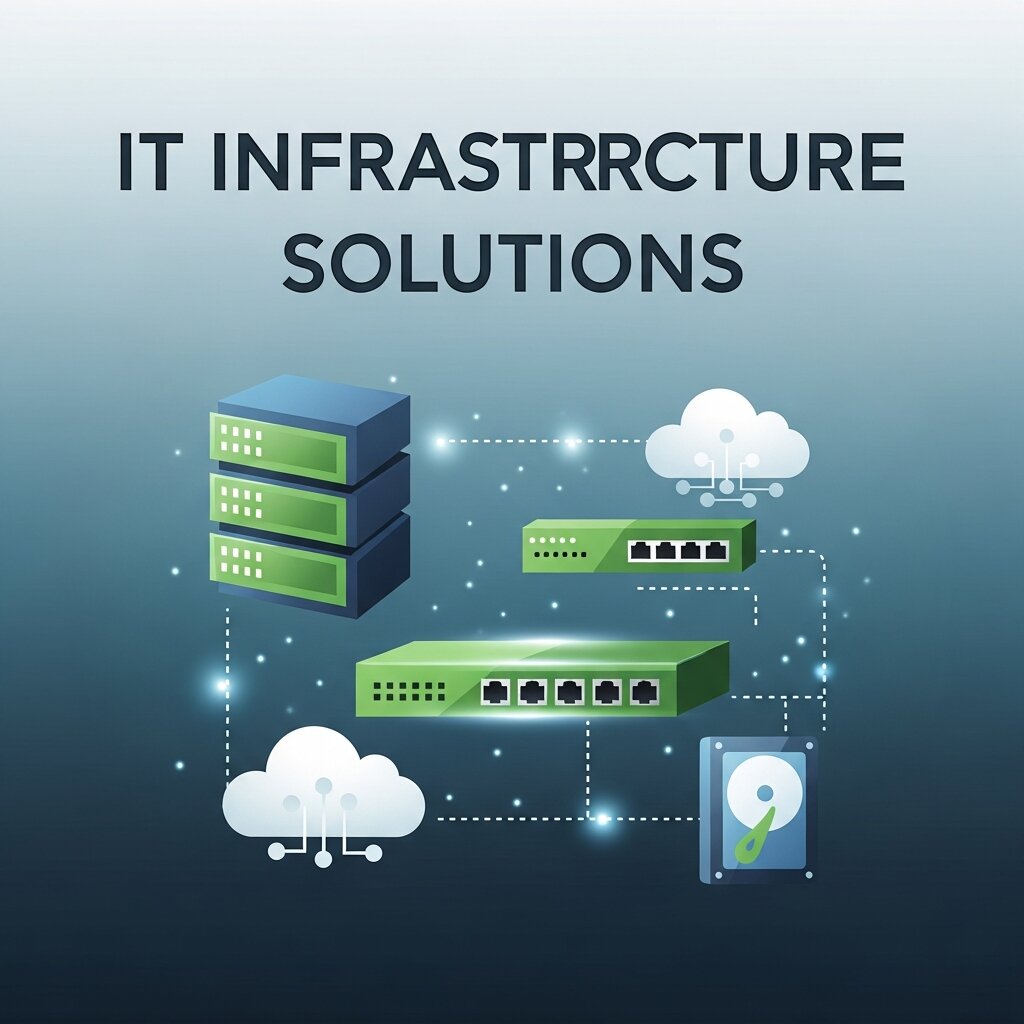 Even the most advanced software requires a reliable foundation to function properly. IT infrastructure solutions encompass the hardware, networking equipment, and data centers that support an organization’s digital operations. Upgrading infrastructure is often the first necessary step in a broader digital transformation initiative.
Modern networking equipment ensures that data flows quickly and securely between departments. High-speed routers, advanced firewalls, and reliable wireless access points prevent bottlenecks that frustrate employees and stall productivity. As companies adopt bandwidth-heavy applications like video conferencing and large-scale data processing, their physical networks must be able to handle the load.
Investing in resilient infrastructure also means planning for redundancy. Implementing backup power supplies and secondary internet connections guarantees that a minor local outage does not bring the entire company to a standstill.
IT Consulting Solutions
Navigating the complex world of technology procurement can overwhelm even experienced executives. IT consulting solutions provide organizations with expert guidance to align their technology investments with their broader business objectives. Consultants bring an outside perspective, identifying inefficiencies that internal teams might overlook.
These professionals assist with everything from initial technology audits to executing massive system migrations. They help leadership teams understand the return on investment for various software platforms and recommend the most effective sequence for rolling out new tools.
Working with a consultant reduces the risk of expensive implementation failures. By relying on experts who have guided similar companies through digital transformations, businesses can avoid common pitfalls and ensure their new systems integrate seamlessly.
Custom IT Solutions
Off-the-shelf software works perfectly well for standard processes like email and basic accounting. However, many organizations have highly unique workflows that standard applications simply cannot accommodate. Custom it solutions involve building proprietary software tailored precisely to a company’s specific operational requirements.
Developing custom software allows a business to automate highly specialized tasks and integrate disparate systems that normally would not communicate with one another. While the initial development costs are higher than purchasing a standard license, the long-term efficiency gains often justify the investment.
Owning the software also gives a company complete control over future updates and features. They are not at the mercy of a third-party vendor changing a product roadmap or discontinuing a critical tool.
IT Automation Solutions
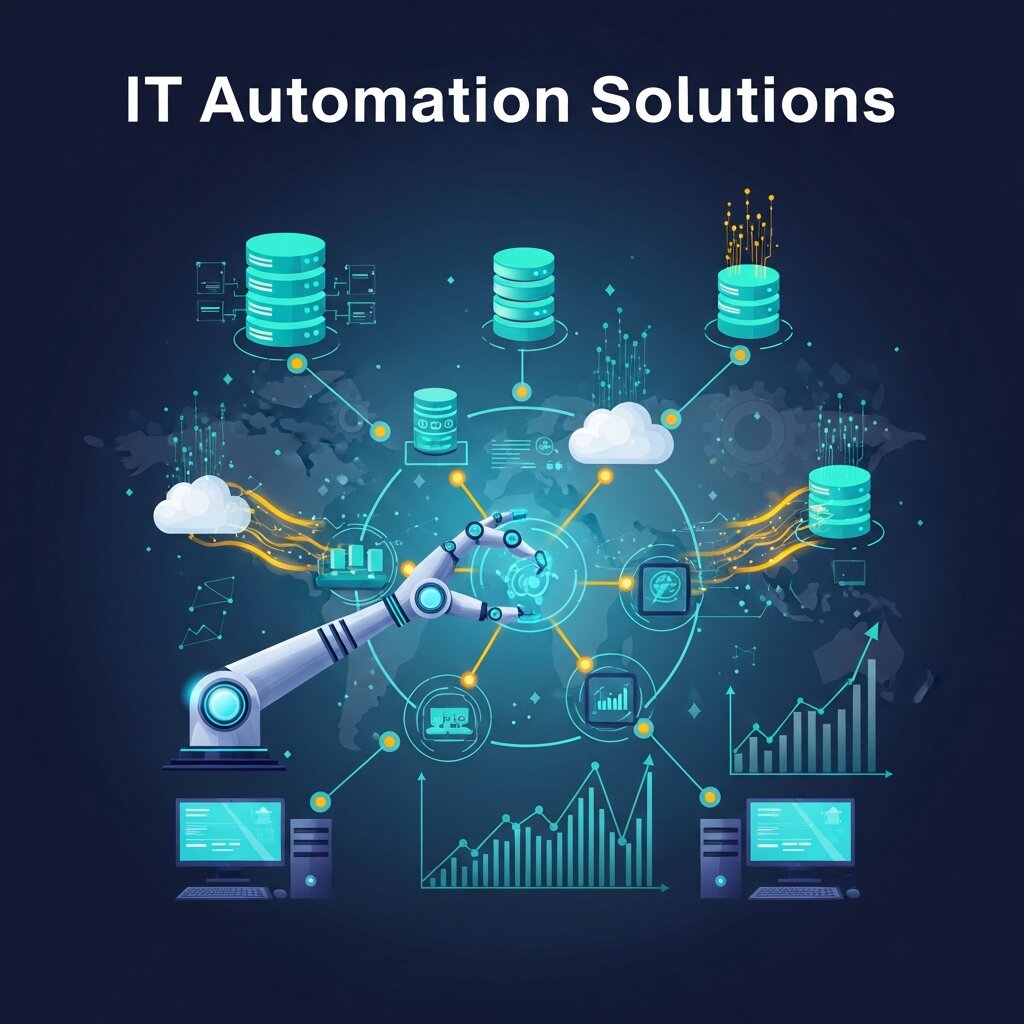 The final frontier of digital transformation involves removing human effort from repetitive tasks. IT automation solutions utilize artificial intelligence and robotic process automation to handle routine workflows. Data entry, invoice processing, and report generation can now be executed instantly by software bots.
Automation dramatically reduces the potential for human error. When a system automatically transfers data from a sales platform into an accounting ledger, it eliminates the risk of typos and misplaced decimal points. This ensures higher data accuracy across the entire organization.
More importantly, automation elevates the human workforce. When employees spend less time on tedious manual data entry, they can dedicate their energy to creative problem-solving, customer relationship building, and strategic planning.
Cybersecurity Solutions for Modern Businesses
As digital transformation accelerates, cybersecurity has become a top priority for organizations of all sizes. Businesses are handling more sensitive data than ever before, making them attractive targets for cyberattacks. Modern cybersecurity solutions go beyond basic antivirus software and include advanced threat detection, endpoint protection, and real-time monitoring systems. These tools help identify vulnerabilities before they can be exploited. Additionally, implementing multi-factor authentication and regular security audits strengthens overall defense mechanisms. Employee training also plays a critical role, as human error is often the weakest link. By investing in comprehensive cybersecurity strategies, businesses can protect their data, maintain customer trust, and ensure uninterrupted operations in an increasingly risky digital environment.
Collaboration and Communication Tools
Effective communication is the backbone of any successful organization, especially in remote and hybrid work environments. Modern IT solutions include a wide range of collaboration tools that allow teams to stay connected regardless of their location. Platforms offering video conferencing, instant messaging, and file sharing streamline communication and improve productivity. These tools reduce delays caused by miscommunication and make it easier to coordinate projects across departments. Integration with other business systems further enhances efficiency by keeping all information in one place. By adopting the right collaboration technologies, businesses can foster teamwork, encourage innovation, and ensure that employees remain engaged and aligned with organizational goals, even when working from different locations.
Data Analytics and Business Intelligence Solutions
Data is one of the most valuable assets a business can possess, but its true power lies in how it is used. Data analytics and business intelligence solutions help organizations transform raw data into actionable insights. These tools collect, process, and visualize data from various sources, enabling decision-makers to identify trends and patterns. With real-time dashboards and detailed reports, businesses can make informed strategic decisions quickly. Predictive analytics also allows companies to anticipate customer behavior and market changes. By leveraging data-driven insights, organizations can optimize operations, improve customer experiences, and gain a competitive advantage. Investing in analytics solutions ensures that every decision is backed by reliable and meaningful information.
Disaster Recovery and Backup Solutions
Unexpected disruptions such as system failures, cyberattacks, or natural disasters can severely impact business operations. Disaster recovery and backup solutions are essential for minimizing downtime and ensuring business continuity. These systems automatically back up critical data to secure locations, allowing for quick restoration when needed. Cloud-based backup solutions offer additional flexibility and scalability, ensuring that data is always accessible even during emergencies. A well-defined disaster recovery plan outlines the steps required to restore systems and resume operations efficiently. Regular testing of these plans ensures readiness in real-world scenarios. By prioritizing backup and recovery strategies, businesses can safeguard their operations and maintain resilience in the face of unforeseen challenges.
Frequently Asked Questions (FAQ)
1. What are business IT solutions?
Business IT solutions refer to a range of technologies, tools, and services designed to support and improve business operations. These include cloud computing, cybersecurity, infrastructure, automation, and managed IT services.
2. Why are IT solutions important for businesses in 2026?
IT solutions are essential for improving efficiency, enhancing security, supporting remote work, and staying competitive in a rapidly evolving digital landscape.
3. What are the best IT solutions for small businesses?
The best options include cloud-based tools, CRM systems, cybersecurity software, and collaboration platforms. These solutions are affordable, scalable, and easy to implement.
4. What is the difference between managed IT services and in-house IT?
Managed IT services are outsourced to third-party providers who handle maintenance and support, while in-house IT relies on internal staff. Managed services are often more cost-effective and scalable.
5. How do cloud solutions benefit businesses?
Cloud solutions provide remote access, data security, scalability, and cost savings by eliminating the need for expensive on-site infrastructure.
6. Are custom IT solutions worth the investment?
Yes, for businesses with unique workflows. Custom solutions offer tailored functionality and long-term efficiency, though they may require higher upfront costs.
7. How can IT automation improve business operations?
Automation reduces manual work, minimizes errors, and increases productivity by handling repetitive tasks like data entry and reporting.
8. What should I consider when choosing an IT solution?
Key factors include scalability, cost, ease of use, security features, integration capabilities, and alignment with business goals.
9. How do IT solutions improve cybersecurity?
Modern IT solutions include advanced security features like firewalls, encryption, and real-time monitoring to protect data from cyber threats.
10. Is investing in IT infrastructure still necessary with cloud computing?
Yes, a strong IT infrastructure is still essential to support networks, ensure performance, and maintain reliable connectivity even when using cloud services.
Preparing Your Organization for the Future
Digital transformation is an ongoing process rather than a final destination. Finding the best business it solution requires continuous evaluation of your tools and processes. The technologies you adopt today will lay the groundwork for your company’s agility and profitability in 2026 and beyond.
Take the time to audit your current systems. Speak with your department heads to identify their daily frustrations and look for technological avenues to solve those exact problems. By intentionally selecting the right cloud platforms, managed services, and automation tools, you will position your business for sustainable, long-term success.