Your business runs on data. Customer records, financial transactions, internal communications, application workloads—all of it needs a secure, reliable home. When that infrastructure falters, productivity stalls, customers lose trust, and revenue takes a hit. This is exactly why so many organizations are rethinking how they store, manage, and protect their digital assets.
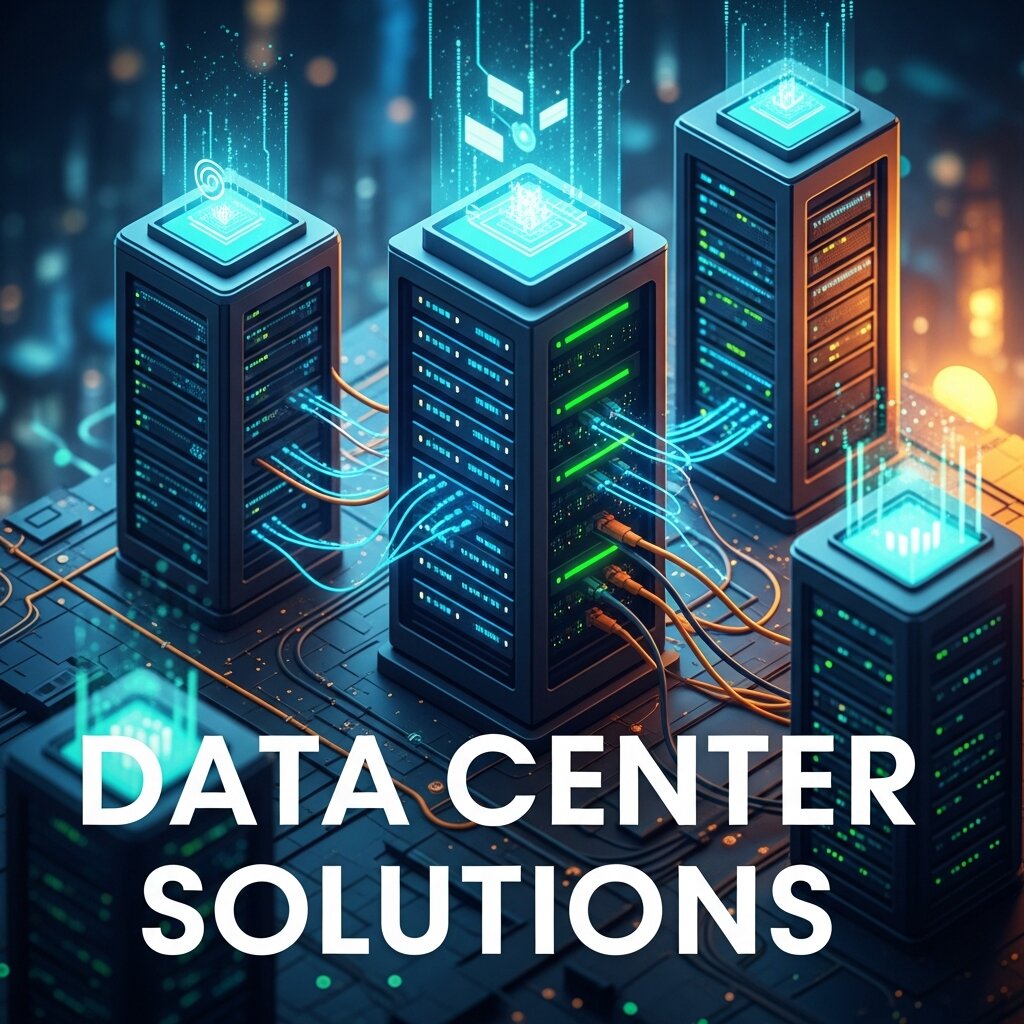
Data center solutions sit at the heart of this conversation. They give businesses the foundation to operate faster, scale smarter, and defend against an ever-growing list of cyber threats. But the value goes beyond simply housing servers in a temperature-controlled room. Modern data centers combine hardware, software, network management, and security protocols into a cohesive system designed to keep your operations humming.
In this post, we’ll break down what data center solutions actually involve, how they improve day-to-day business performance, and the ways they strengthen your security posture. Whether you’re weighing a move to the cloud or upgrading your existing setup, you’ll come away with a clearer picture of what these solutions can do for your bottom line.
What Are Data Center Solutions?
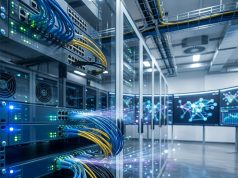
A data center solution is the complete package of physical and virtual resources used to store, process, and distribute an organization’s data and applications. Think of it as the engine room of your digital operations. It typically includes servers, storage systems, networking equipment, power and cooling infrastructure, and the software that ties everything together.
These solutions come in several forms:
- On-premises data centers: Hardware your business owns and operates in-house, giving you full control over your environment.
- Colocation facilities: Third-party sites where you rent space, power, and cooling for your own equipment.
- Cloud-based data centers: Virtualized infrastructure delivered over the internet, often referred to as IT cloud solutions, where a provider handles the underlying hardware.
- Hybrid models: A blend of on-premises and cloud resources, letting you keep sensitive workloads close while tapping the flexibility of the cloud.
The right choice depends on your budget, compliance requirements, and growth plans. Many businesses now lean toward custom IT solutions that mix these models to match their specific needs rather than forcing everything into a single approach.
How Data Center Solutions Improve Business Performance
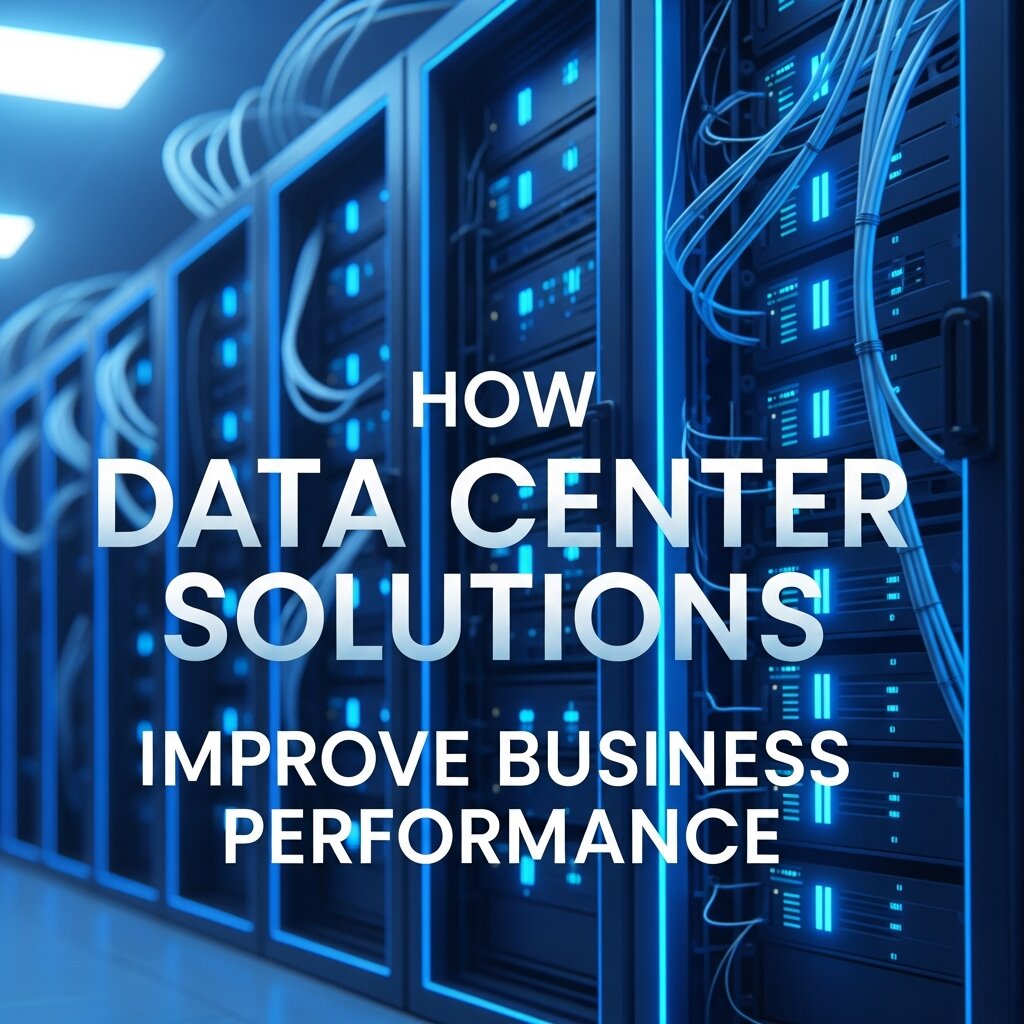 Performance isn’t just about speed—though speed matters. It’s about reliability, scalability, and the ability to support your team without interruption. Here’s where strong data center solutions make a real difference.
Faster Application and Data Access
Slow applications frustrate employees and customers alike. Modern data centers use high-performance servers, solid-state storage, and optimized network management to reduce latency. The result is quicker load times, smoother software experiences, and fewer bottlenecks during peak usage. When your sales team pulls up a customer record or your finance department runs end-of-month reports, those tasks happen in seconds instead of minutes.
Scalability That Grows With You
Business needs rarely stay flat. A seasonal retailer might see traffic spike during the holidays, while a startup could double its workforce in a year. Data center solutions, especially IT cloud solutions, let you add capacity on demand. Instead of buying expensive hardware that sits idle for months, you scale resources up or down as needed. This flexibility keeps costs in check and prevents the painful slowdowns that come from outgrowing your infrastructure.
Improved Uptime and Reliability
Downtime is expensive. Every hour your systems are offline can mean lost sales, missed deadlines, and damaged customer relationships. Professional data centers are built with redundancy at every level—backup power supplies, multiple internet connections, and failover systems that kick in automatically. Many providers guarantee uptime of 99.99% or higher through service-level agreements, giving you confidence that your operations won’t grind to a halt.
Centralized Network Management
Managing a sprawling network across multiple locations is a headache. Data center solutions centralize this work, giving your IT team a single point of control. From one dashboard, they can monitor traffic, allocate bandwidth, troubleshoot issues, and roll out updates. Effective network management reduces the risk of human error and frees your team to focus on strategic projects rather than constant firefighting.
Cost Efficiency Over Time
Building and maintaining your own infrastructure carries heavy upfront costs—hardware, real estate, cooling, and staff. Outsourcing to a data center provider or adopting custom IT solutions shifts much of that burden to a predictable operating expense. You pay for what you use, avoid surprise capital expenditures, and benefit from economies of scale that a single business rarely achieves on its own.
How Data Center Solutions Strengthen Security
Performance gains mean little if your data isn’t safe. Cyberattacks grow more sophisticated every year, and a single breach can cost millions in fines, remediation, and lost trust. Data center solutions bring layered defenses that most businesses couldn’t replicate on their own.
Physical Security You Can Count On
Digital threats get most of the attention, but physical access remains a serious risk. Professional data centers protect their facilities with multiple safeguards: biometric access controls, 24/7 surveillance, security personnel, and locked server cages. These measures ensure that only authorized people can get near your hardware, dramatically lowering the chance of tampering or theft.
Advanced Threat Detection
Modern data center solutions include tools that monitor your environment around the clock. Intrusion detection systems, firewalls, and AI-driven analytics watch for unusual behavior and flag potential threats before they escalate. Combined with strong network management, this constant vigilance helps catch ransomware, phishing attempts, and unauthorized access early—when the damage is still containable.
Data Encryption and Access Controls
Sensitive information needs protection both in transit and at rest. Data centers apply encryption so that even if data is intercepted, it remains unreadable to attackers. Layered on top of this are strict access controls, ensuring employees only reach the information their roles require. Role-based permissions, multi-factor authentication, and detailed audit logs all reduce your exposure to internal and external threats.
Reliable Backup and Disaster Recovery
Hardware fails. Natural disasters strike. Human errors happen. What separates resilient businesses from vulnerable ones is the ability to recover quickly. Data center solutions include automated backups and disaster recovery plans that replicate your data across multiple locations. If one site goes down, your operations can switch to another with minimal disruption. This safety net protects you from data loss that could otherwise be catastrophic.
Compliance Made Simpler
Industries like healthcare, finance, and retail face strict regulations around data handling. Falling short can trigger steep penalties. Many data center providers maintain certifications such as SOC 2, ISO 27001, and HIPAA compliance, taking much of the regulatory weight off your shoulders. Choosing custom IT solutions with built-in compliance support helps you meet legal obligations without building expensive frameworks from scratch.
Choosing the Right Data Center Solution for Your Business
Not every solution fits every business. The best choice depends on your size, industry, and goals. Here are a few factors worth weighing before you commit:
- Workload requirements: Heavy computing tasks may benefit from on-premises or hybrid setups, while variable demand often suits IT cloud solutions.
- Budget structure: Decide whether you prefer capital expenses (owning hardware) or operating expenses (paying as you go).
- Compliance needs: If you handle regulated data, prioritize providers with the right certifications.
- Growth plans: Pick a solution that can scale with your ambitions rather than one you’ll outgrow in a year.
- Support and expertise: Look for partners who offer responsive network management and custom IT solutions tailored to your situation.
Taking the time to assess these factors upfront saves you from costly migrations and mismatches down the road.
Emerging Trends in Data Center Solutions
 Data center technology is evolving quickly as businesses demand more speed, intelligence, and efficiency. One of the biggest shifts is the rise of AI-driven infrastructure management. Instead of manually monitoring servers and networks, organizations now use automation tools that predict failures, optimize workloads, and reduce downtime before issues even occur.
Another major trend is the expansion of edge computing. Rather than sending all data to a centralized facility, processing is increasingly happening closer to where data is generated—like IoT devices, retail systems, and mobile applications. This reduces latency and improves real-time decision-making.
Cloud platforms continue to dominate this transformation. Providers such as Amazon Web Services (AWS), Microsoft Azure (Microsoft Azure), and Google Cloud (Google Cloud) are investing heavily in hybrid and multi-cloud ecosystems. This gives businesses more flexibility to distribute workloads across environments while maintaining performance and compliance.
Common Challenges in Managing Data Center Solutions
Despite their advantages, data center solutions come with challenges that businesses must carefully manage. One of the most common issues is complexity. As systems grow, integrating on-premises infrastructure with cloud and hybrid environments can become difficult without strong planning and expertise.
Cost management is another concern. While cloud services reduce upfront investments, poor resource planning can lead to unexpected operational expenses. Many organizations struggle with over-provisioning or underutilizing resources, which directly impacts ROI.
Security remains a continuous challenge as well. Even with advanced protections, misconfigurations, weak access policies, or human error can expose sensitive data. This is why ongoing monitoring and strict governance policies are essential for long-term protection.
Best Practices for Optimizing Data Center Performance
 To get the most out of data center solutions, businesses should focus on a few proven best practices. First, adopting a hybrid strategy often delivers the best balance between control, scalability, and cost efficiency. It allows critical workloads to stay secure on-premises while leveraging cloud flexibility for expansion.
Second, organizations should invest in continuous monitoring and automation tools. Real-time insights into system performance help IT teams detect issues early and maintain optimal uptime.
Third, regular audits of infrastructure usage can significantly improve efficiency. By identifying unused or underutilized resources, businesses can reduce waste and optimize spending.
Finally, working with experienced providers that offer custom IT solutions ensures that the architecture is designed around specific business goals rather than generic templates. This alignment is key to long-term scalability and resilience.
Building a Stronger, Safer Business
Data center solutions do far more than keep your servers running. They deliver the speed your team needs, the scalability your growth demands, and the security your customers expect. From centralized network management to layered cyber defenses, these systems form the backbone of a modern, resilient organization.
The smartest next step is to assess where your current infrastructure falls short. Are you battling downtime? Struggling to scale? Worried about your security posture? Answering these questions will point you toward the right mix of on-premises, cloud, or hybrid resources. Partnering with a provider that offers custom IT solutions ensures your setup matches your unique needs—today and as your business evolves.