Running a successful business requires balancing dozens of moving parts at once. Your technology infrastructure should support that growth, not hold it back with slow load times, rigid limitations, or constant downtime. Moving data and applications off local servers and onto remote networks was a massive leap forward for corporate technology. Now, the conversation has shifted. It is no longer about simply getting into the cloud. It is about maximizing that environment for peak efficiency.
Many companies still rely on outdated digital frameworks. They experience lagging software, fragmented communication tools, and unpredictable IT budgets. These operational bottlenecks frustrate employees and turn customers away. When your network cannot handle a sudden spike in website traffic or your remote team struggles to access shared files, you lose revenue and credibility.
Smart IT cloud solutions offer a way out of this cycle. By adopting highly flexible and performance-driven cloud architectures, organizations can adapt to market changes almost instantly. You gain the ability to scale resources up during busy seasons and dial them back when things slow down. This level of control empowers leaders to focus on strategic growth rather than troubleshooting server errors.
In this comprehensive guide, we will explore how high-performance cloud frameworks operate. You will learn how to identify the right setup for your specific needs, the advantages of partnering with external experts, and how to execute a seamless migration that sets your team up for long-term success.
The Core of Modern IT Cloud Solutions
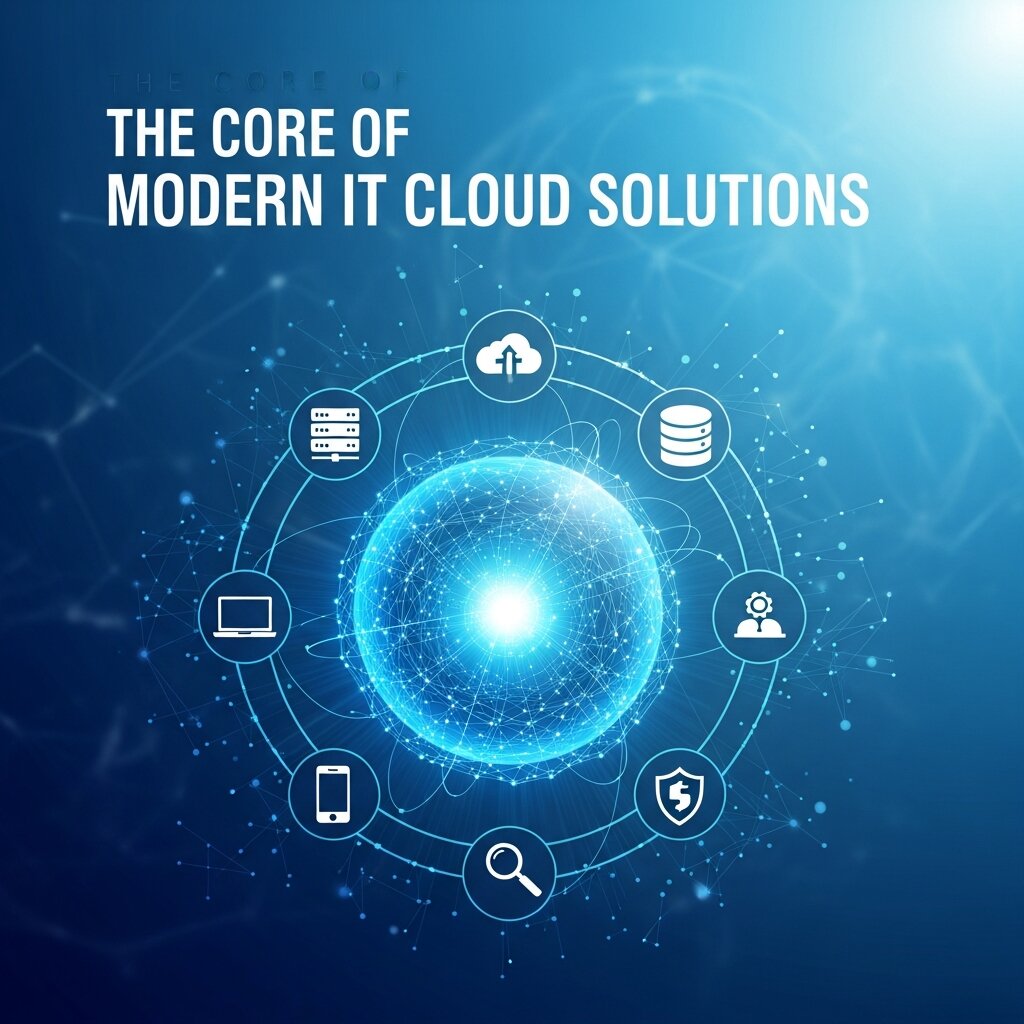 Cloud technology has matured far beyond basic storage drives and remote email servers. Modern IT cloud solutions represent a fully integrated ecosystem designed to power your entire operation. They encompass everything from customer relationship management software to complex data analytics platforms, all hosted on secure, off-site servers.
What Makes a Cloud Solution “Smart”?
A smart cloud environment is proactive rather than reactive. It uses automation to allocate computing power exactly where it is needed at any given moment. If a specific application requires more bandwidth, the system adjusts automatically to prevent lagging.
These environments also integrate seamlessly with artificial intelligence and machine learning tools. This allows businesses to process massive amounts of data in real-time. Instead of waiting weeks for a manual data report, leaders can access instant insights to drive faster decision-making.
Furthermore, smart architectures prioritize interoperability. They ensure that all your software applications talk to one another securely. A customer support ticket generated in one app can instantly trigger a workflow in your inventory system, all without manual data entry.
Key Benefits of Upgrading Your Infrastructure
Clinging to legacy servers is an expensive and risky habit. Upgrading to a modernized cloud environment brings immediate, tangible benefits to almost every department in a company.
Unmatched Flexibility for Growing Teams
Business needs change rapidly. You might need to onboard fifty new employees in a single month or transition your entire workforce to a remote setup overnight. Traditional hardware makes these shifts incredibly difficult and costly. You would have to purchase new servers, install physical cables, and configure individual machines.
Cloud flexibility changes the game entirely. Administrators can provision new user accounts and grant access to essential software with just a few clicks. Your team members can log in securely from any location, using any authorized device. This geographic independence allows you to hire the best talent regardless of where they live.
High Performance When You Need It Most
Performance directly impacts user experience. If an application takes more than a few seconds to load, employees lose focus, and customers abandon their shopping carts. Smart cloud ecosystems utilize load balancing and globally distributed server networks to ensure lightning-fast speeds.
When your application is hosted in a high-performance cloud, data travels through the most efficient route possible. Redundancy protocols ensure that if one server goes offline, another instantly takes its place. This keeps your uptime close to 100%, ensuring that your business remains operational around the clock.
Finding the Best IT Solutions for Small Business
 Large enterprises have massive IT budgets to build custom cloud environments. Smaller organizations must be more strategic. Fortunately, the cloud democratizes access to top-tier technology. Identifying the best IT solutions for small businesses means looking for platforms that offer enterprise-grade features without the enterprise price tag.
Cost-Effective Scalability
Small businesses need predictable expenses. Traditional IT requires large upfront capital investments in physical hardware. Cloud computing operates on a pay-as-you-go model. You only pay for the storage and computing power you actually use.
This model removes the financial barrier to entry for advanced software. A local retail shop can utilize the same high-powered inventory tracking systems as a massive global chain. As the small business grows, they simply adjust their subscription tier to access more resources.
Enhanced Security Protocols
Data breaches can destroy a small company. Many business owners mistakenly believe that keeping data on a physical hard drive in their office is safer than sending it to the cloud. In reality, reputable cloud providers invest billions of dollars into cybersecurity.
They employ teams of specialized engineers to monitor networks for suspicious activity. They utilize advanced encryption protocols to protect data both in transit and at rest. Multi-factor authentication, automated threat detection, and routine security patching provide a level of protection that most small businesses could never afford to build independently.
The Role of Managed IT Solutions in Cloud Success
Transitioning to the cloud solves many problems, but it still requires ongoing management. Servers need optimization, user permissions require updating, and backups must be tested. Many organizations find that their internal staff lacks the specialized knowledge or the available time to handle these tasks effectively.
Offloading Maintenance to the Experts
This is where managed IT solutions become invaluable. A managed service provider (MSP) takes over the day-to-day operation of your cloud environment. They handle the technical heavy lifting so your internal team can focus on core business objectives.
Managed IT partners act as an extension of your company. They configure your cloud architecture to align with your specific industry regulations and compliance standards. If an employee forgets a password or a software update causes a glitch, the managed service team resolves the issue quickly, often before your staff even notices a problem.
Continuous Monitoring and Optimization
A static cloud environment quickly becomes inefficient. Software updates change resource requirements, and dormant user accounts create security vulnerabilities. Managed IT solutions include continuous monitoring to keep your ecosystem lean and fast.
Engineers track your usage patterns and identify areas where you might be overspending on unnecessary resources. They adjust configurations to improve speed and enforce strict access controls. This proactive optimization ensures that you get the maximum return on your cloud investment month after month.
Steps to Migrate to Smart IT Cloud Solutions
Moving your digital assets to a new environment might seem daunting. However, a structured approach minimizes disruption and ensures a smooth transition. A successful migration requires careful planning, transparent communication, and thorough testing.
Assessing Your Current Infrastructure
The first step is a comprehensive audit of your existing technology. Catalog every piece of hardware, software application, and data repository your company uses. Identify which systems are critical for daily operations and which ones are rarely accessed.
Determine the dependencies between different applications. If your accounting software pulls data directly from your sales platform, those two systems must be migrated in a way that preserves their connection. This assessment phase helps you understand exactly what needs to move and what can be retired.
Choosing the Right Service Model
Cloud computing is not a one-size-fits-all product. You must select the service model that best aligns with your technical capabilities and business goals.
Software as a Service (SaaS) provides ready-to-use applications accessed via a web browser. Platform as a Service (PaaS) gives developers a framework to build and test custom software without worrying about underlying servers. Infrastructure as a Service (IaaS) provides virtualized computing resources over the internet, giving you maximum control over operating systems and network configurations.
Many organizations use a combination of all three models to build a customized, hybrid ecosystem.
Planning the Migration Process
Never attempt to move everything at once. A phased migration reduces risk and allows your team to adapt to the new systems gradually.
Start by migrating non-critical workloads, such as archived emails or backup files. This allows you to test the process and identify any unforeseen technical hurdles. Once you are confident in the transfer process, you can begin moving essential applications. Schedule these critical migrations during off-hours or weekends to minimize the impact on daily productivity.
Always maintain a complete backup of your data on the original systems until the new cloud environment has been thoroughly tested and verified.
Cloud Migration Strategy and Risk Management
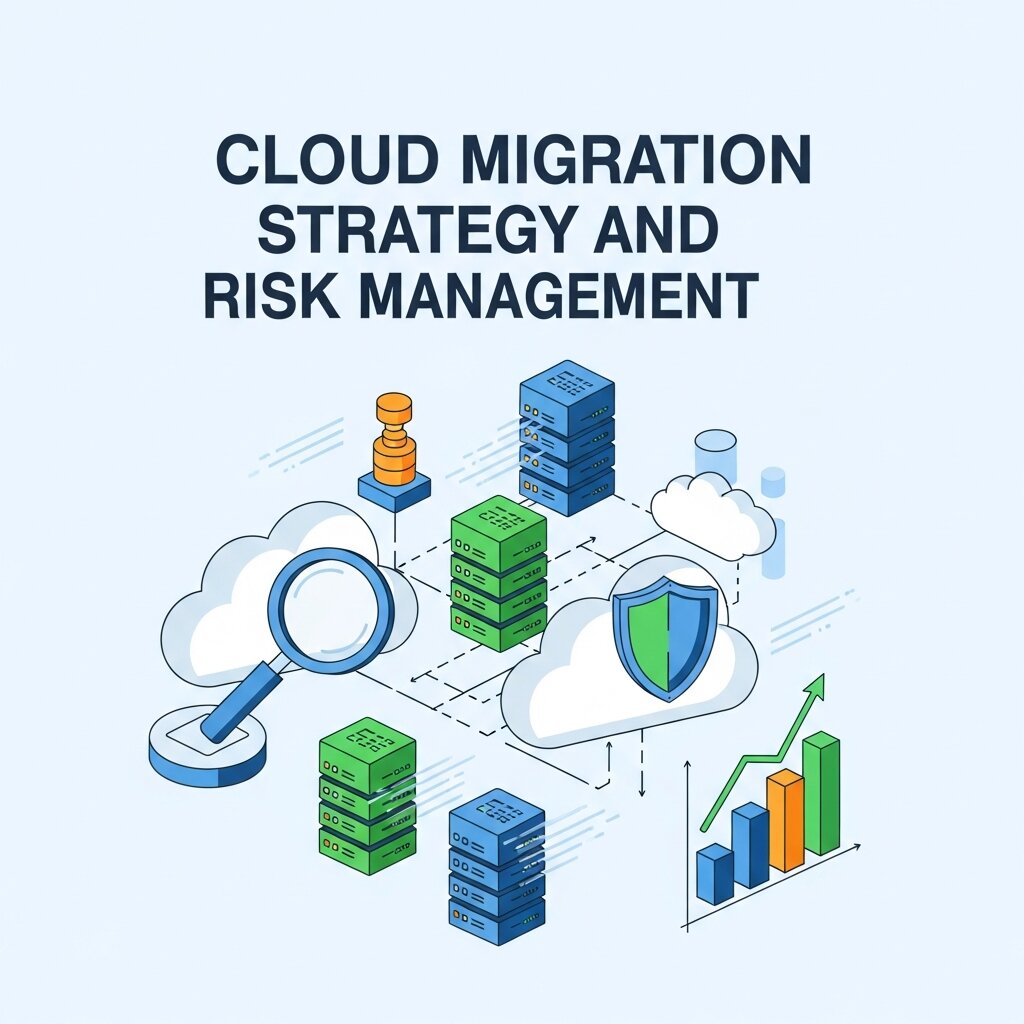 A successful cloud adoption journey requires more than just moving data from one system to another. It demands a carefully planned migration strategy that minimizes downtime, protects sensitive information, and ensures business continuity. Organizations must evaluate application dependencies, prioritize workloads, and create phased migration schedules to reduce operational risk. Risk management also includes maintaining backups, testing environments before full deployment, and ensuring compliance with industry regulations. When executed correctly, cloud migration becomes a smooth transformation rather than a disruptive event, allowing businesses to modernize infrastructure without interrupting daily operations or customer experience.
Cost Optimization in Cloud Environments
One of the biggest advantages of IT cloud solutions is cost efficiency, but without proper management, cloud spending can still grow unexpectedly. Cost optimization focuses on analyzing resource usage, eliminating unused services, and selecting the right pricing models such as pay-as-you-go or reserved instances. Businesses can reduce waste by scaling resources dynamically and shutting down idle workloads. Automated monitoring tools also help track consumption patterns and identify overspending areas. When organizations actively optimize their cloud expenses, they achieve better financial control while still maintaining high performance and scalability across their digital operations.
Hybrid and Multi-Cloud Infrastructure Models
Modern enterprises are increasingly adopting hybrid and multi-cloud strategies to improve flexibility and reduce dependency on a single provider. A hybrid cloud combines private infrastructure with public cloud services, allowing businesses to balance security with scalability. Meanwhile, a multi-cloud approach uses multiple cloud vendors to distribute workloads and increase redundancy. These models enhance system resilience, prevent vendor lock-in, and allow organizations to choose the best services from different providers. However, managing multiple environments requires strong integration, consistent security policies, and advanced monitoring tools to ensure smooth performance across all platforms.
Frequently Asked Questions (FAQ)
What are IT cloud solutions?
IT cloud solutions are internet-based computing services that provide businesses with access to storage, servers, databases, networking, and software without relying on physical hardware.
Why are IT cloud solutions important for businesses?
They are important because they improve flexibility, reduce operational costs, and increase performance. Businesses can scale resources up or down based on demand, avoid expensive hardware investments, and ensure employees can access systems from anywhere.
What are the main benefits of using cloud technology?
Cloud technology offers several advantages including cost efficiency, high scalability, improved data security, and better collaboration. It also reduces downtime through redundant systems and enables faster deployment of applications.
How secure are IT cloud solutions?
Modern cloud platforms use advanced security measures such as encryption, multi-factor authentication, firewall protection, and continuous threat monitoring. In many cases, cloud providers offer stronger security than traditional on-premise systems because they invest heavily in cybersecurity infrastructure and expert teams.
What is the difference between SaaS, PaaS, and IaaS?
SaaS provides ready-to-use software applications accessed through the internet. PaaS offers a development environment for building and deploying applications without managing infrastructure. IaaS delivers virtualized computing resources like servers and storage, giving businesses full control over system configuration and management.
Future-Proofing Your Business Operations
Your technology infrastructure dictates how quickly you can respond to new opportunities. Relying on rigid, outdated servers restricts your ability to innovate. Smart IT cloud solutions remove those barriers. They provide the computing power, agility, and security necessary to compete at the highest level.
Take the time to evaluate your current digital environment. Look for the bottlenecks that slow your team down. Research the providers that align with your industry requirements, and consider partnering with managed service experts to guide your transition. Upgrading your infrastructure is a significant commitment, but the resulting gains in performance and flexibility will fuel your business growth for years to come.