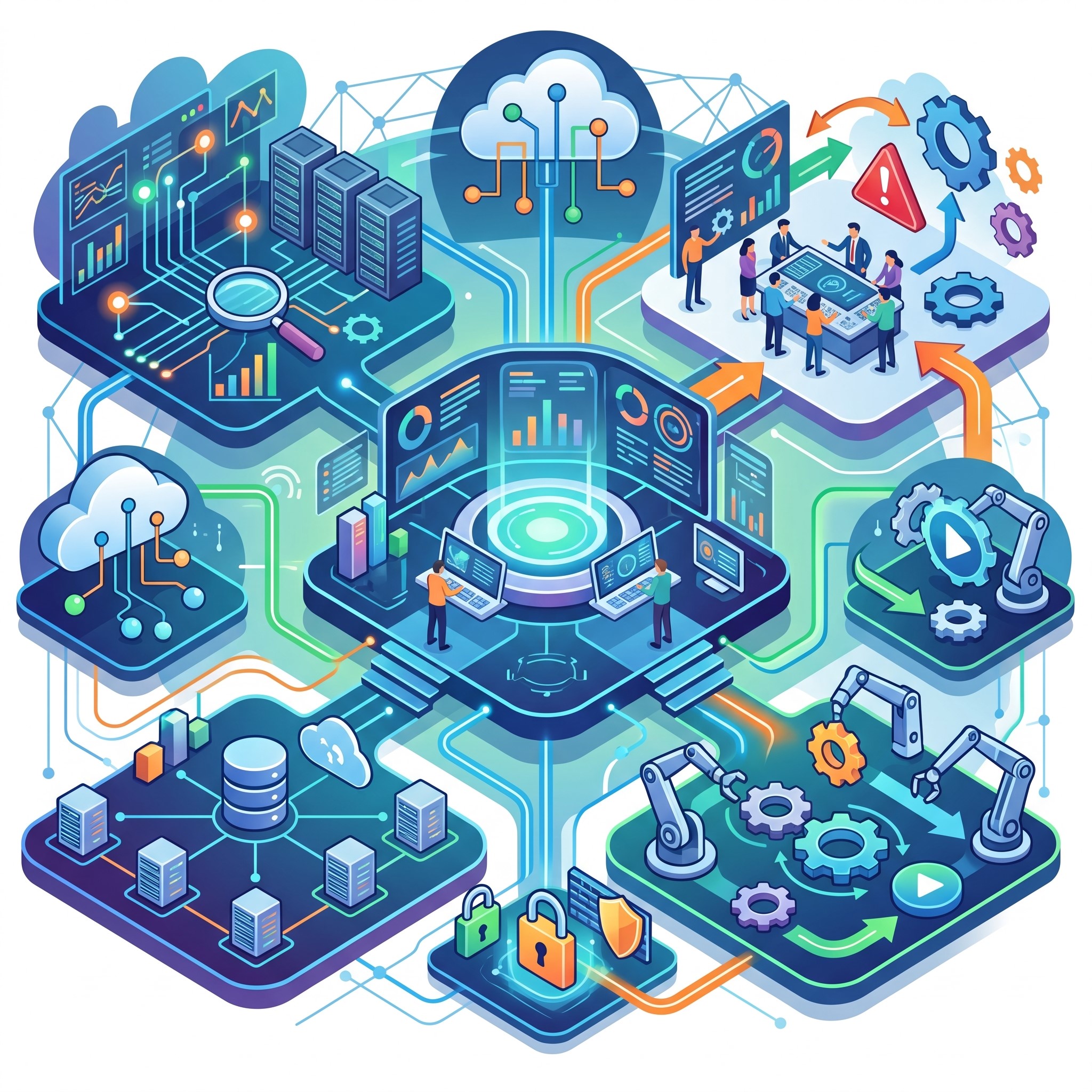
Every growing company eventually hits a technological breaking point. The systems that worked perfectly for a team of ten start to buckle under the weight of fifty employees. Software crashes become more frequent, network latency slows down critical projects, and security vulnerabilities multiply as new devices connect to the corporate network. These disruptions are not just minor annoyances. They actively drain resources, frustrate top talent, and directly impact your bottom line.
This is exactly why IT operations management is a non-negotiable component of sustainable business expansion. At its core, this discipline involves overseeing the performance, availability, and security of an organization’s entire technological ecosystem. It encompasses everything from network infrastructure and server maintenance to help desk support and endpoint security. When managed correctly, it transforms technology from a reactive cost center into a proactive engine for innovation.
Many leaders mistakenly view technology upgrades as isolated events rather than continuous processes. They purchase new hardware or subscribe to a software platform and assume the work is done. True operational excellence requires ongoing monitoring, strategic planning, and the ability to adapt to changing market conditions. Without a cohesive strategy, businesses often end up with fragmented systems that communicate poorly with one another. This fragmentation leads to data silos, making it incredibly difficult for leadership to make informed, data-driven decisions.
By investing in structured IT operations management, companies can align their technological capabilities with their long-term objectives. This alignment ensures that every dollar spent on infrastructure directly contributes to overarching goals, whether that involves expanding into new markets, improving customer service, or launching new products. The following sections explore how different facets of technology management work together to propel businesses forward.
The Foundation of Reliable Technology Infrastructure
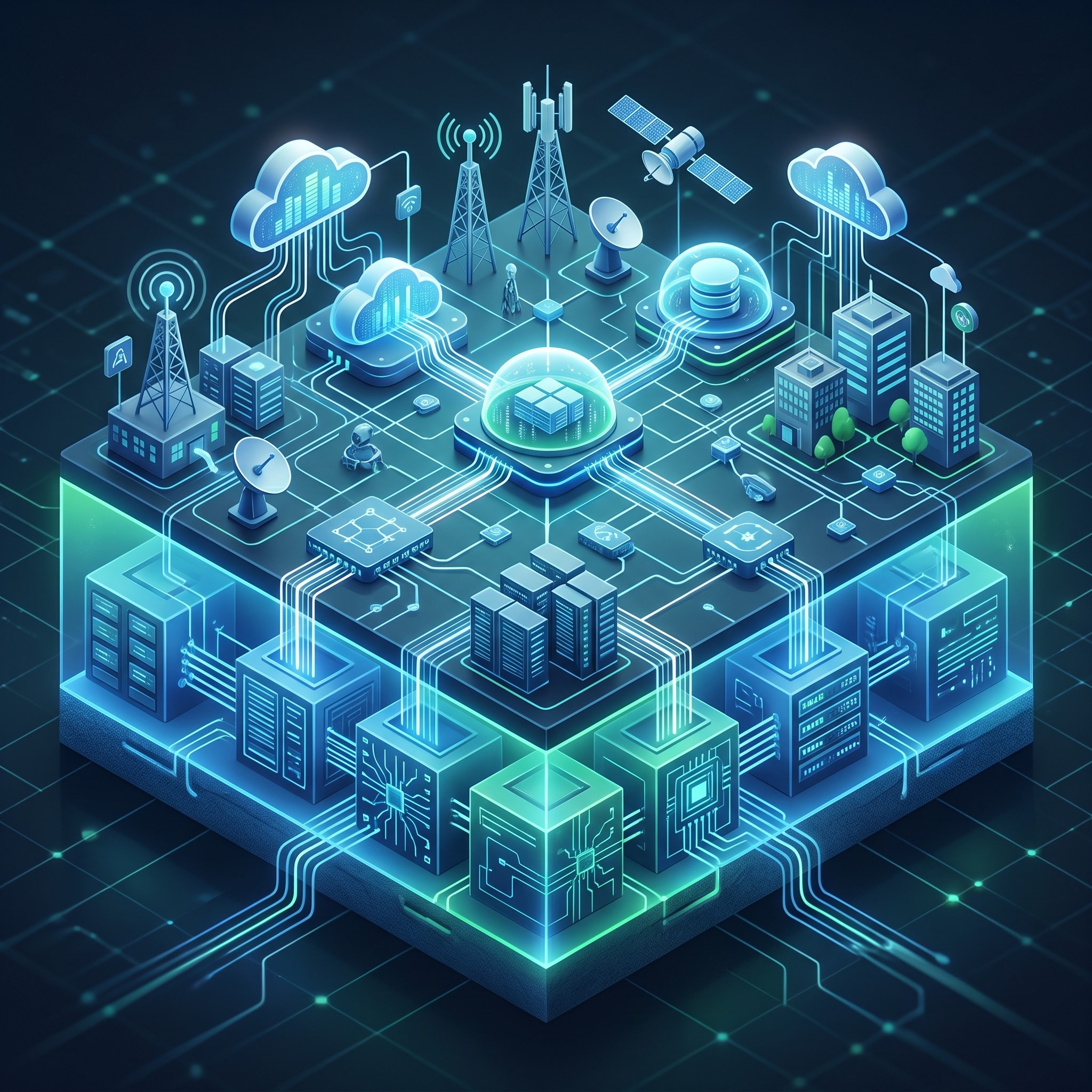 A robust technological foundation requires constant vigilance. IT teams must monitor network traffic, server loads, and application performance around the clock to prevent downtime. A sudden server crash during peak business hours can result in thousands of dollars in lost revenue and severe reputational damage. Proactive monitoring allows technicians to identify and resolve potential issues long before they impact the end user.
Beyond mere uptime, performance optimization plays a critical role in daily operations. Employees rely on fast, responsive applications to do their jobs effectively. When software lags or internal databases take too long to load, productivity plummets. Effective management ensures that resources are allocated efficiently, prioritizing critical applications and maintaining a smooth user experience across the board.
Security is another pillar of a strong technological foundation. Cyber threats are growing more sophisticated by the day. Phishing attacks, ransomware, and data breaches pose existential risks to modern businesses. Comprehensive operations management incorporates rigorous security protocols, including regular vulnerability assessments, automated patch management, and strict access controls. These measures protect sensitive corporate data and ensure compliance with industry regulations.
Scaling Up with IT Cloud Solutions
As companies grow, their data storage and processing needs expand exponentially. On-premises servers require significant capital investment and physical space. They also limit an organization’s ability to scale rapidly in response to sudden market changes. This is where modern hosting environments become incredibly valuable.
Implementing effective it cloud solutions allows businesses to break free from the limitations of physical hardware. Cloud platforms offer virtually unlimited scalability, enabling organizations to increase their computing power or storage capacity with a few clicks. This flexibility is essential for handling seasonal spikes in traffic or supporting a suddenly expanding remote workforce.
Furthermore, cloud environments inherently support disaster recovery and business continuity. When data is stored securely in off-site data centers, companies can quickly recover from localized hardware failures or natural disasters. Employees can access critical files from any location, minimizing downtime and ensuring that operations continue without interruption.
Gaining Strategic Direction with IT Consulting Solutions
 Navigating the complex landscape of enterprise technology can overwhelm even the most experienced business leaders. New software platforms, security frameworks, and hardware advancements emerge constantly. Deciding which tools will actually benefit the organization requires deep technical expertise and industry awareness.
Engaging with it consulting solutions provides companies with the strategic direction necessary to make informed investments. External consultants bring a wealth of experience from working with diverse clients. They can assess your current infrastructure, identify bottlenecks, and recommend technologies that align specifically with your growth targets. This objective perspective helps internal teams avoid adopting flashy trends that offer little real-world value.
Consultants also play a vital role in project management and implementation. Rolling out a new enterprise resource planning system or migrating to a different cloud provider involves significant risk. Expert advisors help map out these transitions meticulously, anticipating potential roadblocks and training staff on new workflows. This structured approach minimizes disruptions and accelerates the return on investment for new technological initiatives.
Aligning Systems with Custom IT Solutions
Off-the-shelf software rarely meets all the specific needs of a growing enterprise. Every company operates with unique workflows, proprietary data formats, and distinct customer engagement models. Forcing your team to adapt to rigid, standardized software often leads to inefficient workarounds and fragmented data management.
Developing custom it solutions bridges the gap between what standard software provides and what your specific operations demand. Custom applications can be designed to integrate seamlessly with your existing legacy systems, creating a unified flow of information across all departments. This interoperability eliminates manual data entry, reduces human error, and gives leadership a holistic view of company performance.
Tailored technology also provides a distinct competitive advantage. If you can process orders faster, deliver more personalized customer experiences, or analyze market trends more accurately than your competitors, you will capture more market share. Custom-built platforms are designed specifically to enhance the unique value your company delivers, making them a powerful catalyst for long-term growth.
Reducing Operational Costs Through Automation
Efficiency directly impacts profitability. Manual, repetitive tasks consume thousands of hours of employee time every year. Resetting passwords, provisioning new employee accounts, and generating routine performance reports are necessary functions, but they do not drive revenue.
Effective IT operations management identifies opportunities to automate these routine processes. Automated help desk ticketing systems can route issues to the appropriate technicians instantly. Software updates can be scheduled to deploy automatically during off-hours. By removing the manual burden of these administrative tasks, organizations free up their staff to focus on high-level strategic projects.
Automation also significantly reduces the likelihood of costly human errors. A mistyped configuration command can accidentally expose a database to the public internet or take a critical server offline. Automated deployment scripts and configuration management tools ensure that systems are updated consistently and securely every single time.
Fostering a Culture of Continuous Improvement
 Technology is never static. The systems that serve your business perfectly today will eventually become outdated. True operational excellence requires a mindset of continuous evaluation and improvement. Regular audits of your hardware and software inventory help identify legacy systems that are holding the company back.
Feedback from end-users is incredibly valuable in this process. Employees who use corporate applications every day understand the friction points better than anyone else. Establishing clear channels for staff to report software bugs or request new features ensures that the technology ecosystem evolves to meet actual operational needs.
Leadership must also remain committed to ongoing training. Deploying a new custom application or cloud platform yields no benefit if employees do not know how to use it effectively. Comprehensive training programs ensure high adoption rates and maximize the value derived from new technological investments.
Empowering Your Workforce and Delighting Customers
Ultimately, technology serves two primary audiences: your employees and your customers. When internal systems run smoothly, employee morale improves. Staff members can complete their tasks without battling slow load times or convoluted software interfaces. This seamless internal experience naturally translates to better customer service.
Customers expect fast, reliable digital interactions. Whether they are browsing an e-commerce catalog, accessing a client portal, or contacting support through a live chat feature, they demand immediate results. Robust IT operations management ensures that these external-facing systems are always available and highly responsive.
A single negative digital experience can drive a customer directly to a competitor. By prioritizing the stability and performance of your technological infrastructure, you build trust and loyalty with your client base. This consistency is the foundation upon which long-term business success is built.
Leveraging Data-Driven Decision Making in IT Operations
Modern IT operations management is no longer just about maintaining systems—it is about turning infrastructure data into actionable insights. Every server log, network activity report, and application performance metric contains valuable information that can guide smarter business decisions.
By implementing advanced monitoring and analytics tools, organizations can identify patterns in system usage, detect inefficiencies, and predict potential failures before they occur. This proactive approach reduces downtime and improves overall system reliability.
Data-driven IT operations also empower leadership teams to make informed strategic choices. For example, usage analytics can reveal which applications are most critical to employees, helping businesses prioritize investments in infrastructure upgrades. Similarly, performance data can highlight bottlenecks that are slowing down productivity, allowing for targeted improvements rather than costly guesswork. When IT operations are guided by real-time data, businesses move from reactive problem-solving to proactive optimization, creating a more stable and efficient technological environment.
Strengthening IT Governance and Compliance for Long-Term Stability
As businesses grow, maintaining control over IT systems becomes increasingly complex. This is where IT governance and compliance play a crucial role in IT operations management. Governance ensures that all technology decisions align with business objectives, while compliance ensures adherence to industry regulations and security standards.
Without proper governance, organizations risk inconsistent processes, unapproved software usage, and security gaps that can lead to serious operational risks. A well-structured IT governance framework defines clear roles, responsibilities, and policies for managing technology resources effectively.
Compliance is equally important, especially for businesses handling sensitive customer data. Regulations such as data protection laws require strict controls over how information is stored, accessed, and shared. IT operations management helps enforce these standards through regular audits, access controls, and continuous monitoring. By integrating strong governance and compliance practices, companies not only reduce legal and security risks but also build trust with customers and stakeholders, ensuring long-term operational stability.
FAQ: IT Operations Management
1. What is IT Operations Management?
IT Operations Management is the process of overseeing and maintaining an organization’s IT infrastructure, including networks, servers, applications, and security systems. Its main goal is to ensure smooth, reliable, and efficient technology performance across the business.
2. Why is IT Operations Management important for businesses?
It helps prevent system downtime, improves performance, strengthens cybersecurity, and ensures that technology aligns with business goals. Without it, companies often face inefficiencies, data silos, and security risks.
3. What are the key components of IT Operations Management?
The main components include network management, server and infrastructure maintenance, application monitoring, cybersecurity, help desk support, and system performance optimization.
4. How does IT Operations Management improve business efficiency?
It automates routine tasks, reduces system failures, improves resource allocation, and ensures that employees have fast and reliable access to tools and systems needed for productivity.
5. What is the role of automation in IT Operations Management?
Automation handles repetitive tasks like software updates, ticket routing, and system monitoring. This reduces human error, saves time, and allows IT teams to focus on strategic improvements.
6. How does IT Operations Management support business growth?
It ensures that IT systems can scale with company growth by improving infrastructure, enabling cloud adoption, and aligning technology with long-term business strategies.
7. What is the relationship between IT Operations Management and cloud computing?
Cloud computing provides scalable and flexible infrastructure, while IT Operations Management ensures that these cloud resources are properly monitored, secured, and optimized for performance.
8. Can small businesses benefit from IT Operations Management?
Yes, small businesses benefit by improving system reliability, reducing downtime, enhancing security, and ensuring cost-effective use of technology resources.
9. What are common challenges in IT Operations Management?
Common challenges include system complexity, security threats, legacy infrastructure, lack of integration between tools, and difficulty in scaling IT resources.
10. How can a company improve its IT Operations Management?
Companies can improve it by adopting monitoring tools, using automation, investing in cloud solutions, hiring IT consultants, and continuously updating their technology infrastructure.
Taking the Next Step for Your Technology Infrastructure
Growth requires a solid foundation. If your company is struggling with frequent system outages, disjointed software, or mounting security concerns, it is time to reevaluate your approach to technology. Strategic IT operations management provides the oversight, scalability, and security necessary to support your ambitions.
Start by conducting a comprehensive audit of your current infrastructure to identify critical vulnerabilities and workflow bottlenecks. Consider engaging external experts to gain a clear, objective view of where your technology stands and where it needs to go. By aligning your digital tools with your business objectives, you can build an operational environment that not only supports your current team but actively accelerates your future growth.